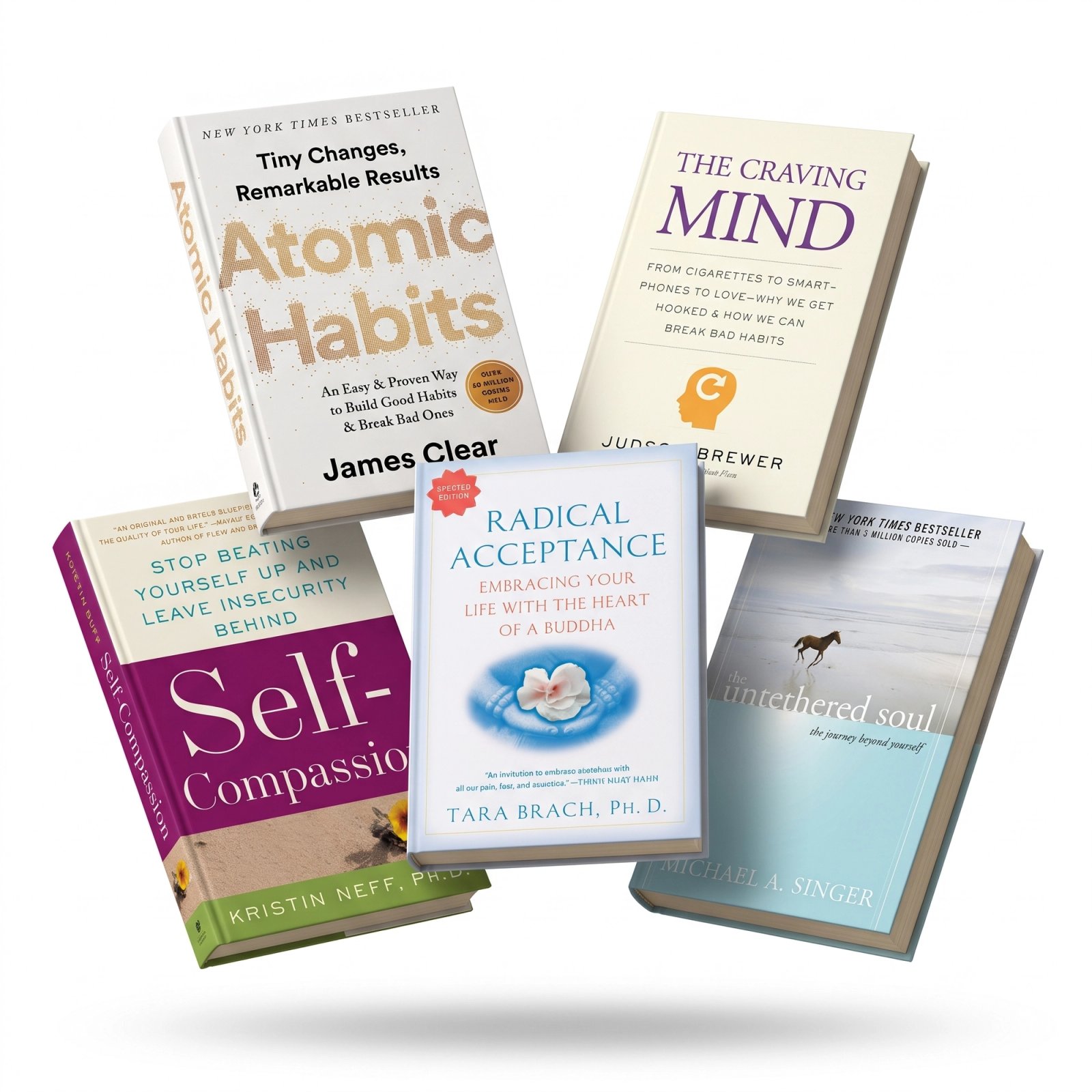
Recommended reading for your quit journey*
Quitting smoking or vaping involves more than getting through physical cravings. It can also mean changing routines, understanding triggers, learning healthier ways to manage emotions, and becoming more compassionate with yourself when the journey is not perfect.
This optional reading list supports the work you are doing inside the Quitine Circle. You do not need to read every book. Choose the one that speaks most directly to what you need right now.
One useful idea can be enough. You are not being assigned more homework. Use these books as companions, and come back to the Quitine Workbook, the Circle and the weekly calls whenever you need practical help applying what you learn.
Where should you start?
Choose the sentence that sounds most like what you are going through right now.
| If this sounds like you | Start with |
|---|---|
| My routines keep pulling me back. | Atomic Habits or The Power of Habit |
| My cravings feel automatic. | The Craving Mind |
| Anxiety or stress makes me want to smoke or vape. | Unwinding Anxiety |
| I want to understand why my brain keeps seeking relief. | Dopamine Nation |
| I feel controlled by my thoughts or urges. | The Untethered Soul |
| I am being incredibly hard on myself. | Self-Compassion |
| I use smoking or vaping to avoid difficult feelings. | Radical Acceptance or The Happiness Trap |
| I need a practical way to work through painful feelings. | Radical Compassion |
| I feel ashamed that quitting has not been perfect. | The Gifts of Imperfection |
| Other people make it difficult to protect my quit. | Set Boundaries, Find Peace or Boundaries |
| I make quitting too complicated and become overwhelmed. | Tiny Habits |
| I want a simple mindfulness practice for daily life. | Wherever You Go, There You Are |
Our three best starting points
Atomic Habits for changing routines and building a new identity.
The Craving Mind for understanding urges and automatic behavior.
Self-Compassion for recovering from difficult days without shame.
Habits and behavior
Use these books to understand the routines, cues, rewards and small actions that shape everyday behavior.
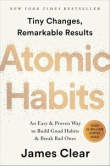
Atomic Habits
by James Clear
An excellent place to begin. This book explains how small, repeated actions shape behavior and identity. It can help you make healthier choices easier, change the environments connected to smoking or vaping, and build routines that support the person you are becoming.
Helpful for: Trigger mapping, automatic behavior, and replacing familiar routines.
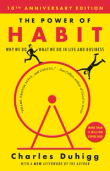
The Power of Habit
by Charles Duhigg
This book explores the habit loop: cue, routine and reward. It can help you understand why coffee, driving, stress, finishing a meal or taking a work break may automatically trigger smoking or vaping, and how to replace the routine without ignoring the need underneath it.
Helpful for: Trigger mapping, automatic behavior, and replacing familiar routines.
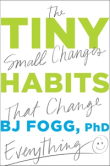
Tiny Habits
by BJ Fogg
A practical guide to making change feel smaller and more achievable. It is especially useful if you tend to create an ambitious plan, become overwhelmed, and then feel discouraged when you cannot carry it out perfectly.
Helpful for: Starting small, creating repeatable actions, and building confidence.
Cravings, anxiety and reward
These books explore urges, anxiety, reward-seeking and the automatic loops that can make smoking or vaping feel difficult to interrupt.

The Craving Mind
by Judson Brewer
This book explains how cravings and habit loops reinforce one another. It explores how awareness and curiosity can interrupt automatic behavior, and it pairs especially well with the craving wave, trigger mapping and mindfulness tools inside the Quitine Workbook.
Helpful for: Understanding urges, observing cravings, and interrupting automatic reactions.
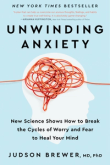
Unwinding Anxiety
by Judson Brewer
This book explains how anxiety becomes connected to habit loops and how awareness can help interrupt the cycle. It is particularly relevant if you smoke or vape to manage stress, worry or anxious feelings.
Helpful for: Anxiety, stress triggers, compulsive habits, and automatic reactions.

Dopamine Nation
by Anna Lembke
This book explores the brain's relationship with pleasure, reward, discomfort and compulsive behavior. It may help you understand why the brain keeps seeking relief or stimulation, and why healthier sources of pleasure, movement, connection and meaning matter.
Helpful for: Reward-seeking, dopamine, compulsive patterns, and healthier sources of satisfaction.
Mindfulness and emotional awareness
Mindfulness helps you notice a thought, feeling or craving without automatically obeying it. These books support the same pause-and-respond skills we practice in the Quitine Circle.

The Untethered Soul
by Michael A. Singer
This book explores the difference between having a thought and being controlled by it. During a quit, your mind may say "I need a cigarette" or "I cannot handle this craving." Mindfulness creates space to recognize that thoughts and sensations are not commands you must follow.
Helpful for: Observing thoughts, creating distance from cravings, emotional freedom, and responding instead of reacting.

Radical Acceptance
by Tara Brach
This book combines mindfulness and compassion to help people stop fighting themselves. It can be especially helpful when smoking or vaping has become connected to anxiety, painful emotions, avoidance, or the feeling that something is wrong with you.
Helpful for: Emotional awareness, anxiety, acceptance, and responding to discomfort without automatically escaping it.
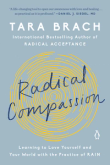
Radical Compassion
by Tara Brach
This book teaches the RAIN practice: recognize what is happening, allow the experience to be present, investigate it with care, and nurture yourself with compassion. RAIN can be useful when a craving is connected to anxiety, loneliness, shame, anger or another difficult emotion. Instead of trying to escape the feeling straight away by smoking or vaping, you can slow down, understand what is happening, and choose a more supportive response.
Helpful for: Emotional cravings, mindfulness, the feelings wheel, self-compassion, and responding to discomfort.
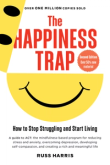
The Happiness Trap
by Russ Harris
Based on Acceptance and Commitment Therapy, this book teaches that difficult thoughts and emotions do not need to disappear before you make a healthy choice. You can make room for discomfort while taking actions that reflect the life and values you want.
Helpful for: Accepting discomfort, acting on your values, emotional flexibility, and continuing through difficult thoughts.

Wherever You Go, There You Are
by Jon Kabat-Zinn
An accessible introduction to mindfulness in everyday life. Its short reflections can help you stay present during coffee, driving, meals, stress and other ordinary moments that may have been paired with smoking or vaping.
Helpful for: Everyday mindfulness, slowing down, noticing automatic behavior, and being present without reaching for a cigarette or vape.
Self-compassion and shame
A slip or a difficult day does not need to become a shame spiral. These books support honest recovery, vulnerability and continued effort.
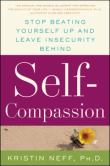
Self-Compassion
by Kristin Neff
A difficult day or slip can quickly become "I ruined everything" or "I will never be able to do this." This book teaches you to respond with honesty and compassion without giving up accountability. Self-compassion is not an excuse. It helps you recover without using shame as fuel.
Helpful for: Slip recovery, negative self-talk, shame, and continuing after a difficult day.
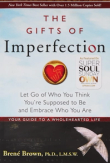
The Gifts of Imperfection
by Brené Brown
Quitting does not require becoming perfect. This book explores courage, vulnerability, shame, and the pressure to prove that we have everything under control. It can help you practice honesty, ask for support, and recognize that struggling does not make you a failure.
Helpful for: Perfectionism, vulnerability, shame, and accepting support.

Set Boundaries, Find Peace
by Nedra Glover Tawwab
Quitting can become harder when the people around you smoke or vape, offer you a cigarette or vape, question your choices, or do not respect the support you asked for. This practical guide can help you communicate your needs, say no without unnecessary guilt, and protect the routines and places that support your quit.
Helpful for: Asking for support, declining cigarettes or vapes, social pressure, communication, and protecting your quit.

Boundaries
by Henry Cloud and John Townsend
Written from a Christian perspective, this book teaches practical principles for communicating needs, saying no, protecting your well-being, and taking responsibility for what is within your control. It may be especially helpful when family, friends, coworkers or social situations make it harder to protect your progress. Choose this faith-based alternative if its perspective feels right for you.
Helpful for: Saying no, communicating your needs, and protecting your quit from a faith-based perspective.
Optional deeper reading
This final selection offers compassionate support for seasons of uncertainty, loss or significant emotional discomfort.
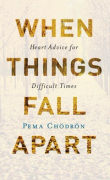
When Things Fall Apart
by Pema Chödrön
A compassionate book about staying present during uncertainty and emotional discomfort rather than trying to escape it straight away. This is a deeper choice for difficult seasons, when quitting overlaps with loss, change or uncertainty.
Helpful for: Difficult seasons, loss, uncertainty, emotional discomfort, and learning to stay present.
Read, learn and bring it back to the Circle
These books are companions to your quit plan, your nicotine replacement products, the Quitine Workbook and the support in the Circle. They do not replace any of them. If an author's approach differs from your plan, keep following the product directions and bring your questions to us or to your healthcare professional.
You also do not need to finish a book before it becomes useful. If one sentence helps you recognize a trigger, respond to a craving, recover after a slip, or treat yourself with more compassion, that insight has value.
Share what you are learning in the Circle. Which book did you choose, and why? What idea helped you see your smoking or vaping pattern differently? What is one small action you want to practice this week?
*The book links on this page are Amazon affiliate links. As an Amazon Associate, Quitine earns from qualifying purchases.