
The Benefits of Quitting Smoking for Dental Health

Quitting smoking is one of the most significant steps you can take to improve your overall health, particularly your dental health. Smoking is a major risk factor for a variety of oral health issues, including gum disease, tooth loss, and oral cancer. However, quitting can significantly reduce these risks and lead to a healthier, happier smile.
Ready to start your journey to a healthier smile? Visit Quitine today to explore our range of NRT products and get expert advice on quitting smoking. Start your quitting journey now.

Ready to Quit or Just Cut Back?
If you're reading about nicotine, vaping, or smoking habits, chances are you're already thinking about making a change.
You don't have to figure it out alone. The Quitine Circle is our free support community, open to everyone quitting smoking or vaping. No purchase is required, and you do not need to use Quitine products to participate.
Inside the Quitine Circle you'll find:
The 90-Day Quit Program to guide your step down plan
A printable Quit Program Workbook to track progress
Practical tools for managing cravings and triggers
Support from others going through the same process
Quitting works best when you combine the right tools with the right structure. That's exactly what the Quitine system is built for.
Take our short quiz to see which Quitine Quit Kit fits your nicotine habits.
The Risks of Smoking on Oral Health
Smoking affects oral health in several ways:
- Gum Disease: Smoking can lead to gum disease by affecting the attachment of bone and soft tissue to your teeth. It interferes with the normal function of gum tissue cells, making smokers more susceptible to infections like periodontal disease.
- Tooth Loss: Smoking can cause tooth loss due to gum disease and bone loss within the jaw. Smokers are at a higher risk of developing gum disease, which can lead to tooth loss if left untreated.
- Oral Cancer: Smoking is a major cause of oral cancer, including cancers of the lip, tongue, cheeks, and other sites in the mouth. The longer you smoke, the higher your risk of developing oral cancer.
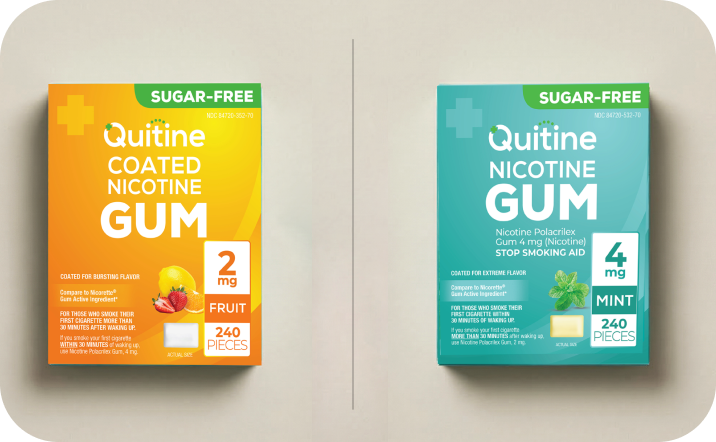
How Nicotine Gum Works
Nicotine gum delivers nicotine through the lining of your mouth as you chew. Unlike regular chewing gum, you need to use a specific "chew and park" technique to get the full effect.
Best for habit-triggered cravings
If you smoke or vape in response to specific triggers, after meals, during breaks, or when stressed, nicotine gum gives you something to do with your hands and mouth, which can help replace the physical habit.
How Quitting Smoking Improves Dental Health
Quitting smoking can have immediate and long-term benefits for your dental health:
- Reduced Risk of Gum Disease: Quitting smoking can reduce the risk of gum disease and slow its progression if you already have it. The risk of gum disease decreases as early as one year after quitting.
- Lower Risk of Tooth Loss: Quitting smoking can lower the risk of tooth loss. Studies have shown that the risk of tooth loss decreases significantly after quitting smoking, and after 13 years or more of quitting, the risk is similar to that of never-smokers.
- Improved Healing: Quitting smoking can improve the healing process following dental treatments. Smokers who quit can expect better outcomes from periodontal treatment and dental surgeries.
Strategies for Quitting Smoking
Quitting smoking is challenging, but several strategies can help:
- Nicotine Replacement Therapy (NRT): NRT products like gum and lozenges can help manage withdrawal symptoms and cravings. Quitine offers a range of NRT products and expert guidance to help you quit smoking.
- Professional Support: Working with a healthcare professional or a pharmacist can provide you with the support and guidance you need to quit smoking. Quitines pharmacists are available to help you choose the right NRT and develop a quitting plan.
- Gradual Reduction: Gradually reducing your smoking habit can make quitting easier. However, quitting entirely is more effective in improving dental health than just cutting back.
Ready to start your journey to a healthier smile? Visit Quitine today to explore our range of NRT products and get expert advice on quitting smoking. Start your quitting journey now.
Quitting smoking is a crucial step in improving your dental health. By understanding the risks of smoking on oral health and the benefits of quitting, you can take the first step towards a healthier smile. With the right strategies and support, you can overcome the challenges of quitting and enjoy the long-term benefits of a smoke-free life.
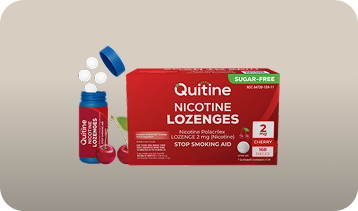
How Nicotine Lozenges Work
Nicotine lozenges dissolve slowly in your mouth, releasing nicotine that's absorbed through the lining of your mouth. They're designed to be placed between your gum and cheek, not chewed or swallowed.
Lozenges are ideal if you prefer a more discreet option or if you find the chewing technique of gum challenging. They provide steady nicotine release over 20-30 minutes.
Pharmacist Tip: If you smoke more than 10 cigarettes per day, start with the 4mg strength.
Which Should You Choose?
The best choice depends on your personal preferences and smoking habits. If you miss the hand-to-mouth motion of smoking, gum might feel more natural. If you prefer something completely discreet, lozenges are a great option.Many people find that combining products, like using patches for all-day coverage and gum or lozenges for breakthrough cravings, gives them the best results.
Product Comparison
| Best For | Strength | |
|---|---|---|
| Nicotine Gum | Habit-triggered cravings | 2mg / 4mg |
| Nicotine Lozenges | Discreet craving relief | 2mg / 4mg |
| Nicotine Patches | All-day support | 21mg / 14mg / 7mg |

Not Sure Which Product Is Right for You?
Take our 2-minute Quit Quiz and get a personalized product recommendation and 90-day system based on your smoking or vaping habits.