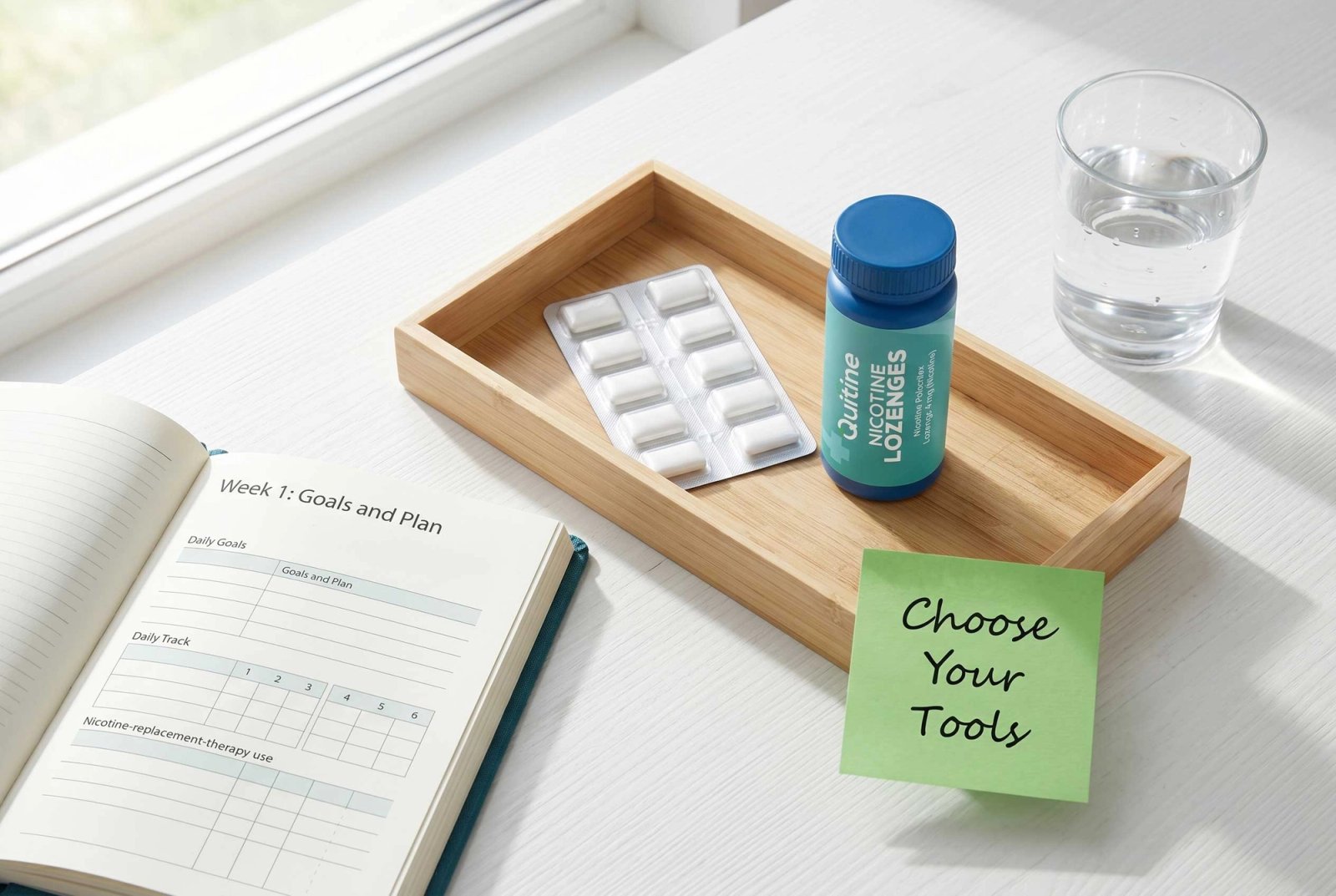
Best Nicotine Replacement Therapies for a Successful 90-Day Quit

Quitting smoking demands real commitment, especially across a full 90-day period when your body adjusts to life without nicotine and your daily routines start to shift. Nicotine replacement therapies, commonly known as NRT, deliver controlled amounts of nicotine in safer forms that ease withdrawal symptoms and reduce the urge to reach for a cigarette.
Different NRT forms suit different needs. Some provide steady relief throughout the day, while others deliver quick help for sudden cravings. The right choice depends on your lifestyle, how heavily you smoked, and what feels most natural to use. Options like oral products stand out because they keep your mouth busy, much like the hand-to-mouth motion many miss when quitting.
For instance, many quitters rely on convenient choices such as Quitine Traditional Nicotine Gum that offers chew-and-park control in tasty flavors, or Quitine Nicotine Lozenges that dissolve discreetly for on-the-go relief. Pairing these with smart preparation makes a big difference, which is why resources like the guide on How to Prepare Mentally and Physically for Your 90-Day Quit Smoking Journey help you line up mental strategies alongside your chosen therapy.
Start building your smoke-free goal with trusted nicotine replacement therapies from Quitine.
Understanding How Nicotine Replacement Therapy Supports a 90-Day Quit
Nicotine replacement therapy works by supplying your body with small, measured doses of nicotine that calm cravings and irritability without the thousands of harmful chemicals found in tobacco smoke. Over 90 days your brain slowly rewires its reward pathways, and NRT bridges that gap so the process feels more manageable. The first weeks often bring the strongest physical symptoms, while later phases focus on habit change and confidence building.
Using NRT consistently helps many people stay on track because it addresses the physical side of addiction while you tackle the mental and emotional parts. This balanced approach aligns well with a 90-day timeline, giving your body time to adapt without overwhelming shocks. Oral forms in particular let you respond quickly to triggers, making them practical for busy schedules or social situations where cravings can strike unexpectedly.
To deepen your understanding of how NRT fits into a long-term quit strategy, it’s helpful to explore how it compares with other options, such as in this guide on nicotine replacement therapy vs prescription medications. Many smokers also hesitate due to misinformation, so addressing common concerns through resources like myths about quitting smoking with nicotine replacement can boost confidence and commitment.
Finally, understanding the biological timeline behind habit change, explained in the science of a 90-day quit plan, reinforces why consistency with NRT is key to successfully overcoming cravings and building lasting smoke-free habits.
The Leading Types of Nicotine Replacement Therapies
Several FDA-approved NRT forms exist, each with unique delivery methods that fit different quitting styles. Long-acting options release nicotine slowly over hours, while short-acting ones kick in faster for immediate relief.
Nicotine patches sit on your skin and provide steady, background support that many find helpful for all-day coverage. They require little thought once applied, which suits people who want simplicity.
Nicotine gum and lozenges offer flexible, short-acting help that you control on the spot. Gum involves a chew-and-park technique that releases nicotine through the mouth lining, and lozenges simply dissolve while you go about your day. Both keep your mouth occupied, which helps replace the ritual many smokers miss.
Prescription forms like nicotine inhalers and nasal sprays deliver faster effects for those who need something closer to the speed of a cigarette. Inhalers mimic the hand motion, and sprays work through the nose lining, though they usually require a doctor visit first.
Why Do Nicotine Gum and Lozenges Often Lead the Way for Daily Use?
Many people prefer nicotine gum and lozenges because they put you in charge of timing and dose. You can pop one when a craving hits during a stressful meeting or after a meal, without waiting for slower-release effects. The chewing or sucking action also satisfies the oral habit that cigarettes create, which makes these options feel more complete than patches alone for some.
Flavors play a big role in sticking with the plan. Fruit or mint gum and cherry or mint lozenges turn a necessary step into something pleasant rather than medicinal. Value packs with hundreds of pieces mean fewer trips to restock, and sugar-free formulas keep teeth and overall health in mind. These features make gum and lozenges especially practical for the full 90 days when consistency matters most.
Long-Acting Patches and Prescription Options in Your Quit Toolkit
Patches shine when you need reliable, hands-off nicotine delivery that runs in the background. You apply one each morning and forget about it until the next day, which reduces decision fatigue during early withdrawal. Many combine patches with a short-acting form for layered protection against both constant low-level urges and sudden spikes.
Inhalers and nasal sprays give rapid relief for heavier cravings, though they involve a prescription step. These work well for people who smoke many cigarettes daily and want something that feels closer to the original experience. The choice comes down to matching the delivery method to your personal triggers and daily routine.
Comparing Common Nicotine Replacement Therapies
| NRT Type | Delivery Method | Best Suited For | Key Advantages | Potential Considerations |
| Nicotine Patch | Steady release through skin | All-day background support | Easy once-a-day use, consistent levels | Slower to address sudden cravings |
| Nicotine Gum | Chew-and-park through mouth | Quick, flexible relief | Controls dose, satisfies oral habit | Requires proper technique |
| Nicotine Lozenge | Dissolves in mouth | Discreet, on-the-go help | No chewing needed, pleasant flavors | Takes a few minutes to fully dissolve |
| Nicotine Inhaler | Puff through mouth | Mimics hand-to-mouth motion | Fast action, familiar feel | Requires prescription |
| Nicotine Nasal Spray | Quick spray in nose | Rapid craving relief | Very fast delivery | Requires prescription, possible irritation |
This overview helps you see how each option fits into a 90-day plan. Oral forms like gum and lozenges often win for everyday convenience and control.
Building Your Personalized 90-Day Quit Plan with NRT
Divide the 90 days into phases that match how your body and mind adjust. The first month focuses on handling strong withdrawal while establishing new routines. The middle phase strengthens positive habits and refines your coping tools. The final stretch locks in confidence and prepares for life after NRT.
Start by picking your main therapy and pairing it with support strategies. Keep water handy, plan movement breaks, and track triggers in a simple notebook. Many find that reviewing progress weekly keeps motivation high. Guides like the one on preparing mentally and physically for the journey offer ready-made frameworks that blend NRT use with practical steps.
Practical Tips to Stay Consistent Throughout the 90 Days
Set a realistic quit date and stock up ahead of time so you never run out at a critical moment. Place your chosen NRT where it is easy to grab, whether in your bag, desk drawer, or kitchen.
Pair therapy with small lifestyle tweaks such as more water, balanced meals, and short walks to boost mood naturally. Reach out to friends or family for accountability, and celebrate small wins like completing a trigger-free week. Flexible programs that deliver supplies automatically help maintain momentum without extra effort.
Why Does Quitine Deliver Reliable Nicotine Replacement Solutions?
Quitine stands out because a pharmacist with over 40 years of experience created its products with real quitters in mind. The line features high-quality, affordable nicotine gum in mint and fruit flavors plus lozenges in mint and cherry, all in generous value packs that support the full 90-day timeline.
These options are sugar-free, easy to use, and backed by a 30-day money-back guarantee plus free shipping on larger orders. The Subscribe and Save program cuts costs further with automatic deliveries you can pause or adjust anytime. A quick quiz on the site matches products to your habits so you start with the best fit right away.
Discover Quitine And Our Best NRT Products
Why Quitine?
Meet Mark & Oliver, the compassionate founders of Quitine. With over 40 years of experience, Mark, inspired by his father's struggle, has dedicated his life to helping individuals quit smoking and vaping. Partnering with Oliver, who brings his own expertise in eCommerce—branding, product development, marketing, and logistics—to make quitting nicotine easier. Together, they created Quitine to provide effective, affordable, and supportive nicotine replacement therapies.
Effective Solutions
Our pharmacist-backed NRT products are designed to help you quit nicotine comfortably and successfully, ensuring the highest efficacy.
Affordable Pricing
We believe quitting should be accessible to everyone, offering affordable therapies without compromising quality.
Personalized Support
Quitting is personal, and so is our approach. From attentive customer service to carefully formulated products, we’re with you every step of the way.
Discover Which NRT is Right for You
Not sure which product suits you best? Take our personalized quiz to find the perfect NRT product tailored to your needs. Take the Quiz
Real Quitters. Real Success.
See what our customers are saying about Quitine Nicotine Replacement Therapy. Read Case Studies
The Quitine Guarantee
Your satisfaction is guaranteed. Learn more about our 30-day money-back promise. Learn More About Our Guarantee
Discover Our Best Nicotine Lozenges - Quitine
1) Quitine Nicotine Lozenges 4mg Mint 120 Pieces
Description (Quitine Nicotine Lozenges 4mg Mint 120 Pieces):
Take control of your quit-smoking journey with Quitine Nicotine Lozenges 4mg Mint. Designed for individuals who smoke their first cigarette within 30 minutes of waking, these lozenges provide an effective and discreet way to curb cravings and manage withdrawal symptoms. With a refreshing mint flavor, they’re a convenient and satisfying solution for anyone ready to quit smoking or vaping.
Key Features:
- Strength: 4mg nicotine polacrilex, ideal for heavy smokers (20+ cigarettes/day).
- Flavor: Refreshing mint freeze for a clean, invigorating taste.
- Quantity: 120 lozenges per pack, divided into three portable tubes of 40 pieces each.
- Usage: Tuck between your gum and cheek; no need to chew, suck, or swallow.
- Cost-Effective: Over 30% savings compared to smaller packs.
How It Works:
Quitine’s 4mg lozenges dissolve slowly in your mouth, releasing nicotine that is absorbed through the lining of your cheek. This controlled delivery helps reduce cravings and withdrawal symptoms without the harmful chemicals found in cigarettes.
Benefits at a Glance:
| Feature | Benefit |
| Slow-dissolving formula | Provides steady nicotine release to curb cravings effectively. |
| Mint freeze flavor | Freshens breath while delivering therapeutic nicotine. |
| Compact packaging | Easy to carry in your bag or pocket for use anytime, anywhere. |
| Flexible purchase options | One-time purchase or subscription with savings and convenience. |
2) Quitine Nicotine Lozenges 2mg Mint 120 Pieces
Description (Quitine Nicotine Lozenges 2mg Mint 120 Pieces):
Take the first step toward a smoke-free life with Quitine Nicotine Lozenges 2mg Mint. Designed for individuals who smoke their first cigarette more than 30 minutes after waking, these lozenges provide a discreet, effective way to manage cravings and withdrawal symptoms. With a refreshing mint flavor, they’re an ideal companion for your quit-smoking journey.
Key Features:
- Strength: 2mg nicotine polacrilex, perfect for light to moderate smokers (less than 20 cigarettes/day).
- Flavor: Refreshing mint freeze for a clean and invigorating taste.
- Quantity: 120 lozenges per pack, divided into three portable tubes of 40 pieces each.
- Usage: Tuck between your gum and cheek; no need to chew, suck, or swallow.
- Cost-Effective: Over 30% savings compared to smaller packs.
How It Works:
Quitine’s 2mg lozenges slowly dissolve in your mouth, releasing nicotine that is absorbed through the lining of your cheek. This steady delivery helps reduce cravings and withdrawal symptoms while avoiding harmful chemicals found in cigarettes.
Benefits at a Glance:
| Feature | Benefit |
| Slow-dissolving formula | Provides steady nicotine release to curb cravings effectively. |
| Mint freeze flavor | Freshens breath while delivering therapeutic nicotine. |
| Compact packaging | Easy to carry in your bag or pocket for use anytime, anywhere. |
| Flexible purchase options | One-time purchase or subscription with savings and convenience. |
3) Quitine Nicotine Lozenges 2mg Cherry 168 Pieces
Description (Quitine Nicotine Lozenges 2mg Cherry 168 Pieces):
Enjoy a smoother, more satisfying way to quit with Quitine Cherry Nicotine Lozenges. Designed as a discreet and effective stop smoking aid, these lozenges help reduce cravings without smoke, vapor, or inconvenience.
With a pleasant cherry flavor and a clean, sugar-free formula, Quitine offers a more enjoyable alternative to traditional nicotine replacement products. Each lozenge delivers controlled nicotine release to help ease withdrawal symptoms while supporting your journey toward a smoke-free life.
Key Features:
- Strength: 2mg nicotine polacrilex, perfect for light to moderate smokers (less than 20 cigarettes/day)
- Flavor: Smooth and enjoyable cherry taste for a better quitting experience
- Quantity: Comes in convenient, easy-to-carry packaging for daily use
- Usage: Simple, discreet dissolve-in-mouth format with no chewing or swallowing required
- Cost-Effective: A more affordable alternative to cigarettes and vaping over time
How It Works:
Place a lozenge between your gum and cheek and allow it to dissolve slowly. As it dissolves, nicotine is absorbed through the lining of your mouth, helping to reduce cravings and withdrawal symptoms.
With consistent use, you can gradually lower your nicotine intake, making it easier to reduce dependence and move toward quitting completely.
Benefits at a Glance:
| Feature | Benefit |
| Slow-dissolving formula | Provides steady nicotine release to curb cravings effectively. |
| Cherry flavor | Offers a pleasant, fruity taste that makes quitting more enjoyable and satisfying. |
| Compact packaging | Easy to carry in your bag or pocket for use anytime, anywhere. |
| Flexible purchase options | One-time purchase or subscription with savings and convenience. |
4) Quitine Nicotine Lozenges 4mg Cherry 168 Pieces
Description (Quitine Nicotine Lozenges 4mg Cherry 168 Pieces):
Quitine Nicotine Lozenges (Cherry) are a convenient, discreet aid designed to support your journey to quit smoking. With a smooth cherry taste and a controlled nicotine release, these lozenges help reduce cravings and withdrawal symptoms without the need for gum or patches. Whether you're at home, work, or on the go, they offer a simple way to stay on track toward a smoke-free lifestyle.
Key Features:
- Strength: 4mg nicotine polacrilex, ideal for heavy smokers (20+ cigarettes/day).
- Flavor: Rich cherry flavor for a pleasant, slightly sweet experience.
- Quantity: Generous supply per pack to support consistent daily use.
- Usage: Easy-to-use lozenges that dissolve slowly in the mouth—no chewing or water required.
- Cost-Effective: Affordable option with subscription plans available for added savings.
How It Works:
Each lozenge gradually dissolves in your mouth, releasing a measured dose of nicotine that is absorbed through the lining of your mouth. This helps reduce the intensity of cravings and withdrawal symptoms associated with quitting smoking. By replacing cigarettes with controlled nicotine intake, you can focus on breaking the habit while managing urges more comfortably.
Benefits at a Glance:
| Feature | Benefit |
| Slow-dissolving formula | Delivers a consistent release of nicotine to help manage cravings. |
| Cherry flavor | Offers a smooth, enjoyable taste that makes quitting more pleasant. |
| Compact packaging | Conveniently portable for use wherever and whenever cravings strike. |
| Flexible purchase options | Choose between one-time purchase or subscription for ease and savings. |
How to Use Quitine Nicotine Lozenges
- Place one lozenge between your gum and cheek.
- Let it dissolve slowly over 15–30 minutes—do not chew or swallow it whole.
- Move the lozenge occasionally to avoid irritation.
Important Tip: Avoid acidic beverages like coffee or juice before or during use, as they can reduce nicotine absorption.
Discover Our Best Nicotine Gum - Quitine
1) Quitine Nicotine Gum 4mg Traditional Fruit 240 Pieces
Description (Quitine Nicotine Gum 4mg Traditional Fruit 240 Pieces):
Embark on your journey to quit smoking or vaping with Quitine's 4mg Traditional Nicotine Gum in a delightful fruit flavor. Carefully developed by experienced pharmacist Mark La Hood, this gum is designed to help manage cravings and ease withdrawal symptoms effectively.
Features:
-Purposeful Support: Designed to assist with smoking and vaping cessation by reducing cravings and withdrawal effects.
-Expertly Crafted: Formulated by a pharmacist with over 40 years of expertise, ensuring a trusted and high-quality solution.
-Delicious Flavor: Experience a refreshing, long-lasting fruit flavor with each chew, making your quitting process enjoyable.
Generous Value Pack: The 240-count pack offers substantial savings of over 30% compared to smaller options, providing a cost-effective approach.
-Risk-Free Guarantee: Comes with a 30-day money-back guarantee, allowing you to try Quitine with confidence.
Usage:
Perfect for individuals who smoke their first cigarette within 30 minutes of waking. For those who smoke later, consider our 2mg gum. Regular use helps reduce nicotine dependency over time.
2) Quitine Nicotine Gum 2mg Traditional Fruit 240 Pieces
Description (Quitine Nicotine Gum 2mg Traditional Fruit 240 Pieces):
Quitine's 2mg Traditional Nicotine Gum Fruit is a premium smoking cessation product designed to help individuals quit smoking or vaping. With a refreshing fruit flavor and a generous 240-count pack, it offers a cost-effective and convenient solution for managing nicotine cravings and withdrawal symptoms.
Key Features:
-Nicotine Strength: 2mg per piece, ideal for individuals who smoke fewer than 20 cigarettes per day or those with light to moderate nicotine dependency.
-Flavor: Long-lasting fruit flavor for a satisfying chewing experience.
-Pack Size: 240 pieces, providing excellent value and convenience.
-Expertly Crafted: Developed by Mark La Hood, a pharmacist with over 40 years of experience in smoking cessation products.
How It Works
Quitine's nicotine gum uses the chew-and-park method to deliver nicotine through the lining of your mouth:
-Chew the gum until you feel a tingling sensation.
-Park it between your cheek and gums to allow nicotine absorption.
-Repeat the process for about 30 minutes.
3) Quitine Nicotine Gum 4mg Traditional Mint 240 Pieces
Description (Quitine Nicotine Gum 4mg Traditional Mint 240 Pieces):
Quitine Nicotine Gum 4mg Traditional Mint is a premium smoking cessation aid designed to help individuals manage nicotine cravings and withdrawal symptoms during their journey to quit smoking or vaping. This product is ideal for those who smoke their first cigarette within 30 minutes of waking up, offering a higher nicotine strength for effective relief.
Key Features:
- Nicotine Replacement Therapy (NRT): Contains nicotine polacrilex (4mg per piece) to curb cravings and reduce dependency on nicotine over time.
- Refreshing Mint Flavor: Provides a smooth, long-lasting mint taste for a satisfying chewing experience.
- Value Pack: Includes 240 pieces, offering over 30% savings compared to smaller packs, making it a cost-effective solution for long-term use.
- Crafted by Experts: Developed by Mark La Hood, a pharmacist with over 40 years of experience, ensuring high-quality and reliable support for your quitting journey.
- Risk-Free Guarantee: Comes with a 30-day money-back promise to ensure customer satisfaction.
How It Works:
- Chew one piece of gum when cravings arise.
- Follow the recommended technique: chew slowly until the taste becomes strong, rest the gum between your cheek and gums, then chew again when the taste fades.
- Gradually reduce your nicotine intake over time.
Why Choose Quitine?
Quitine Nicotine Gum is an affordable and effective solution tailored for individuals seeking to quit smoking or vaping. With its refreshing flavor, expert formulation, and generous value pack, it provides the tools needed to overcome cravings while making the quitting process more manageable.
4) Quitine Nicotine Gum 2mg Traditional Mint 240 Pieces
Description (Quitine Nicotine Gum 2mg Traditional Mint 240 Pieces):
Quitine Nicotine Gum 2mg Traditional Mint is a trusted smoking cessation aid designed to help individuals manage nicotine cravings and withdrawal symptoms as they work toward quitting smoking or vaping. This lower-strength option is perfect for those who smoke their first cigarette more than 30 minutes after waking up.
Key Features:
- Nicotine Replacement Therapy (NRT): Contains nicotine polacrilex (2mg per piece) to effectively curb cravings and support gradual nicotine dependency reduction.
- Refreshing Mint Flavor: Offers a smooth, long-lasting mint taste for a satisfying and enjoyable chewing experience.
- Value Pack: Includes 240 pieces, providing over 30% savings compared to smaller packs, making it an economical choice for long-term use.
- Expertly Developed: Created by Mark La Hood, a pharmacist with over 40 years of experience, ensuring high-quality and reliable support for your quitting journey.
- Risk-Free Guarantee: Backed by a 30-day money-back promise to ensure customer satisfaction and confidence in your purchase.
5) Quitine Nicotine Gum 4mg Classic Mint 300 Pieces
Description (Quitine Nicotine Gum 4mg Classic Mint 300 Pieces):
Quitine Nicotine Gum 4mg Classic Mint is a powerful smoking cessation aid designed to help individuals manage nicotine cravings and withdrawal symptoms during their journey to quit smoking or vaping. This higher-strength option is ideal for those who smoke their first cigarette within 30 minutes of waking up, offering effective relief tailored to heavier smokers.
Key Features:
- Nicotine Replacement Therapy (NRT): Contains nicotine polacrilex (4mg per piece) to curb cravings and support gradual reduction of nicotine dependency.
- Quick-Burst Mint Flavor: Provides a refreshing mint taste that fades within 1 minute, delivering a satisfying and consistent chewing experience.
- Value Pack: Includes 300 pieces, offering over 30% savings compared to smaller packs, making it an economical choice for long-term use.
- Expertly Developed: Created by Mark La Hood, a pharmacist with over 40 years of experience, ensuring high-quality and reliable support for your quitting journey.
- Risk-Free Guarantee: Backed by a 30-day money-back promise to ensure customer satisfaction and confidence in your purchase.
6) Quitine Nicotine Gum 2mg Classic Mint 300 Pieces
Description (Quitine Nicotine Gum 2mg Classic Mint 300 Pieces):
Quitine Nicotine Gum 2mg Classic Mint is a reliable smoking cessation aid designed to help individuals manage cravings and withdrawal symptoms as they work toward quitting smoking or vaping. This lower-strength option is ideal for those who smoke their first cigarette more than 30 minutes after waking up, providing effective relief tailored to lighter smokers.
Key Features:
- Nicotine Replacement Therapy (NRT): Contains nicotine polacrilex (2mg per piece) to curb cravings and support gradual reduction of nicotine dependency.
- Quick-Burst Mint Flavor: Delivers a refreshing mint taste that fades within 1 minute, offering a satisfying and consistent chewing experience.
- Value Pack: Includes 300 pieces, providing over 30% savings compared to smaller packs, making it an economical choice for long-term use.
- Expertly Developed: Created by Mark La Hood, a pharmacist with over 40 years of experience, ensuring high-quality and reliable support for your quitting journey.
- Risk-Free Guarantee: Backed by a 30-day money-back promise to ensure customer satisfaction and confidence in your purchase.
Frequently asked questions
Nicotine gum works through a chew-and-park method that releases controlled nicotine while keeping your mouth active in a way that mimics some familiar motions from smoking. Nicotine lozenges dissolve slowly without any chewing, which makes them a seamless choice for situations where discretion matters most or when you want something hands-free. Both options deliver nicotine through the mouth lining to ease cravings quickly, and their sugar-free formulas with appealing flavors help many people stick with daily use across the full 90 days. The decision often comes down to personal preference for the oral sensation and how each fits into your routine.
Many people layer a steady background option like a nicotine patch with a fast-acting oral form such as nicotine gum or nicotine lozenges to cover both ongoing low-level urges and sudden spikes. This approach provides flexible coverage that aligns with the changing intensity of withdrawal over the 90-day period. The combination helps maintain consistent nicotine levels while you focus on building new habits, and following the product guidelines keeps everything balanced.
Cravings tend to soften as the body adjusts, yet certain triggers from daily life can still bring them on during the middle and later phases of a 90-day quit. Keeping short-acting nicotine replacement therapy options like nicotine lozenges handy allows quick response without derailing progress. Reviewing your personal trigger patterns and adding simple coping strategies such as movement or hydration often helps these moments become less frequent and easier to manage.
Value-sized packs of nicotine gum and nicotine lozenges reduce the need for frequent purchases and support uninterrupted use through all three months. Subscription programs offer automatic deliveries that adjust to your pace and include flexible pause options to match your journey. These practical choices remove one common barrier so the focus stays on building smoke-free routines rather than worrying about restocking.
Nicotine replacement therapy eases the physical side of dependence so the mind can concentrate on shifting daily behaviors and emotional connections to smoking throughout the 90-day timeline. Oral forms like nicotine gum keep the mouth occupied during high-risk moments such as after meals or during stress, which helps replace old rituals with healthier ones. This balanced support makes the later stages feel more natural as confidence grows and the brain rewires its reward pathways without the harsh effects of abrupt change.
Read Also:
- The Science Behind 90-Day Quit Plans: How Long Does It Really Take to Break the Addiction?
- Why 90 Days Is the Magic Number for Quitting Smoking Permanently
- What Is the 90-Day Quit Smoking System? A Complete Overview
- How to Create a Quit Smoking Plan That Works
- 10 Tips to Quit Smoking for Good
Start building your smoke-free goal with trusted nicotine replacement therapies from Quitine.