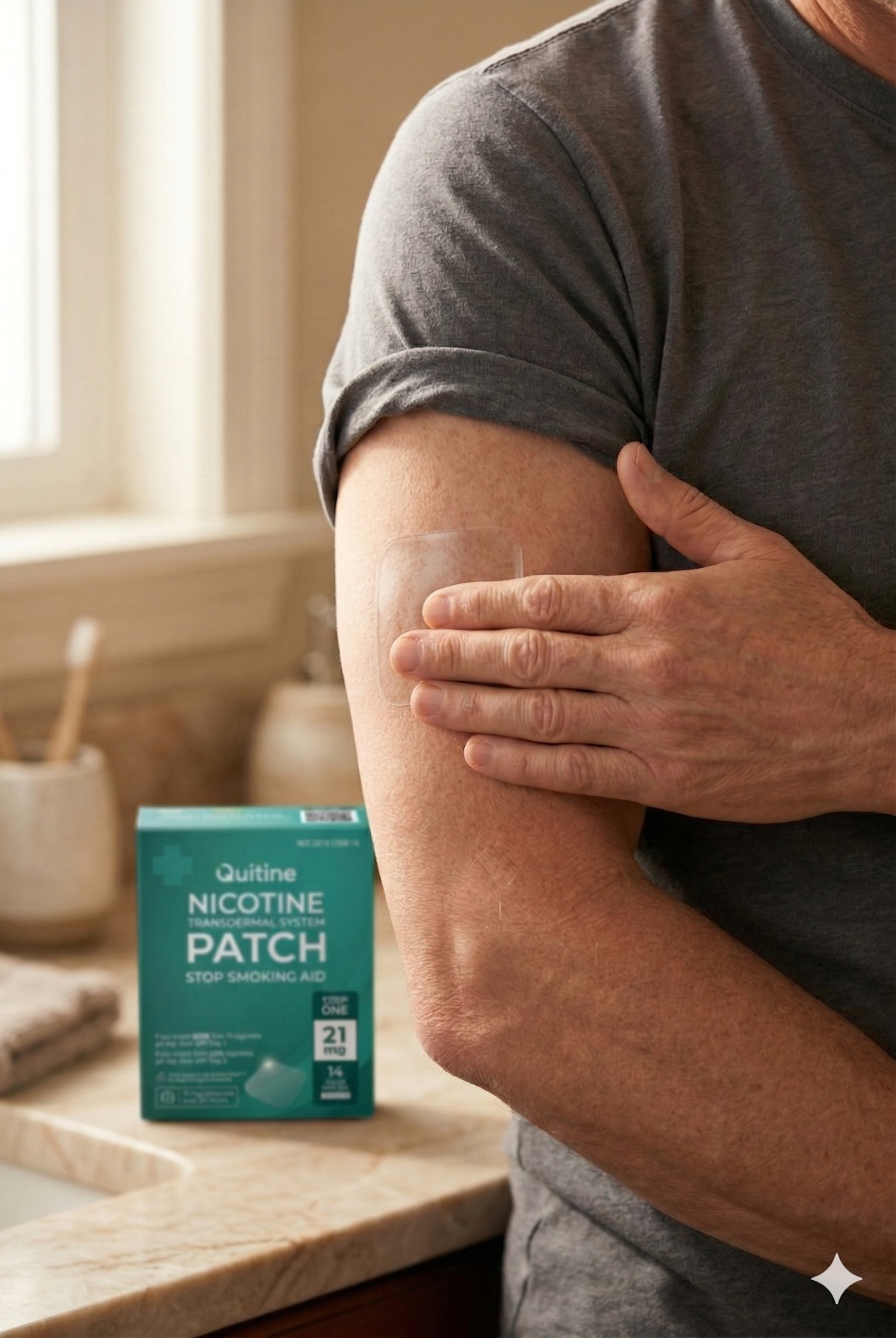
nicotine inhaler device

Best nicotine inhaler device in 2025

Rank

Brand

Description

1

Quitine

Quitine is a innovative nicotine inhaler designed to aid in smoking cessation by delivering controlled doses of nicotine through a user-friendly device that mimics the hand-to-mouth action of smoking. It features a sleek, portable design with replaceable cartridges that release vaporized nicotine absorbed primarily in the mouth and throat, helping to reduce cravings and withdrawal symptoms without the harmful tar or carbon monoxide found in cigarettes. Key benefits include flexibility for use indoors or outdoors, a menthol-infused option for a refreshing sensation, and a gradual reduction program to wean off nicotine over time. The device is clinically inspired to support long-term quit success, with each cartridge providing up to 20 minutes of continuous puffing for effective craving management.

2

Nicorette Inhaler

Nicorette Inhaler is a clinically proven nicotine replacement therapy tool that helps users quit smoking by providing a hand-to-mouth experience similar to smoking. It consists of a plastic mouthpiece and cartridges containing 10 mg of nicotine, delivering 4 mg per use through vaporization when air is drawn through the device. Users can puff deeply or shallowly, with absorption occurring mainly in the mouth lining to relieve cravings and withdrawal symptoms like irritability and anxiety. It allows for flexible usage anytime and anywhere, including indoors, and supports a step-down approach over 12 to 24 weeks by gradually reducing cartridge use. Non-medicinal ingredients like menthol enhance the experience, making it a reliable option for managing tobacco dependence.

3

Voke Nicotine Inhaler

Voke is a next-generation nicotine inhaler approved for smoking cessation, featuring a refillable, breath-activated handheld device paired with pressurized nicotine canisters for efficient delivery. It provides rapid nicotine absorption to quickly address cravings, with a design that emphasizes portability and discretion. The inhaler mimics the ritual of smoking without combustion, helping users transition away from cigarettes by offering a clean nicotine source free from smoke-related toxins. Its unique canister system allows for multiple uses per refill, supporting gradual reduction in nicotine intake, and it's suitable for use in various settings to maintain quit momentum.

4

RespiRx (Qnovia)

RespiRx is an advanced nicotine inhaler in development for smoking cessation, utilizing a proprietary technology for precise aerosol delivery of nicotine to optimize absorption and effectiveness. It aims to improve upon traditional methods by providing consistent dosing through a user-controlled device that reduces withdrawal symptoms and cravings. Features include a compact, electronic-free design for reliability, with potential for adjustable nicotine levels to tailor to individual needs during the quitting process. As a prescription option, it focuses on clinical efficacy and safety, helping users achieve smoke-free status through structured usage protocols.

5

Nicotrol Inhaler

Nicotrol Inhaler is a prescription-based nicotine delivery system shaped like a cigarette holder, using cartridges with 10 mg nicotine to release 4 mg during puffing sessions. It works by vaporizing nicotine for absorption in the mouth and throat, avoiding lung inhalation, to combat cravings and nicotine withdrawal effectively. The device supports behavioral aspects of quitting by replicating the hand-to-mouth habit, and it's designed for up to 16 cartridges daily initially, tapering over time. Even post-discontinuation in some markets, its proven track record makes it a notable choice for structured smoking cessation programs.

6

Boots NicAssist Inhalator

Boots NicAssist Inhalator is an over-the-counter nicotine replacement product available in the UK, featuring a mouthpiece and nicotine cartridges that deliver vaporized nicotine to ease cravings. It provides a satisfying puffing action without smoke, with each cartridge offering sustained release for about 20 minutes of use. Benefits include helping manage withdrawal symptoms such as restlessness and hunger, while allowing users to control their nicotine intake progressively. The design is simple and portable, ideal for on-the-go support during quit attempts.

7

InhalaCorp Nicotine Inhaler

InhalaCorp focuses on safe, clinically validated nicotine inhalers with a emphasis on regulatory compliance and user-friendly features. Their device uses advanced cartridge technology to deliver measured nicotine doses, absorbed orally to minimize cravings without harmful byproducts. It includes options for flavored vapors to enhance palatability, and supports a tapering regimen for long-term quitting success. The inhaler is built for durability and discretion, making it suitable for daily integration into quit-smoking plans.

8

HealthVape Nicotine Inhaler

HealthVape offers a modern nicotine inhaler emphasizing health-focused delivery, with devices that provide clean nicotine vapor free from tobacco toxins. It features rechargeable or disposable options with adjustable puff settings for personalized use, helping to alleviate withdrawal effects like mood swings. The design prioritizes safety through clinical trials, and it's intended for gradual reduction to promote nicotine independence over time.

9

Cipla Nicotine Inhaler

Cipla's nicotine inhaler is part of their NRT lineup, providing an accessible device for smoking cessation with cartridges that release nicotine vapor for oral absorption. It helps replicate smoking behavior to address psychological cravings, while delivering controlled doses to manage physical withdrawal. Features include a compact form factor and menthol variants for comfort, supporting users through a phased reduction approach for effective quitting.

10

Kind Consumer Voke (Variant)

As an extension of the Voke line by Kind Consumer, this variant offers enhanced breath-activation for seamless nicotine delivery in a handheld format. It uses pressurized canisters for consistent performance, aiding in rapid craving relief without smoke inhalation. The inhaler supports behavioral quitting by maintaining the ritual aspect, with refillable components for sustained use during the transition to a smoke-free life.

nicotine inhaler device FAQ

What is a nicotine inhaler device?

A nicotine inhaler device is a smoking cessation aid that delivers nicotine in vapor form through a mouthpiece, mimicking the act of smoking without producing smoke or involving combustion. It typically consists of a plastic holder and replaceable cartridges containing nicotine, which is released when the user puffs on the device. The nicotine is absorbed mainly through the lining of the mouth and throat, helping to reduce cravings and withdrawal symptoms associated with quitting smoking. These devices are part of nicotine replacement therapy and are designed to provide a safer alternative to cigarettes by avoiding harmful chemicals like tar and carbon monoxide.

How does a nicotine inhaler device work?

A nicotine inhaler device works by allowing users to draw air through a cartridge containing nicotine, which vaporizes and is absorbed into the bloodstream via the mouth and throat tissues. When puffing, either deeply or in short breaths, the device releases a small amount of nicotine per puff, typically requiring continuous use for about 20 minutes to deplete a cartridge. This process helps satisfy the hand-to-mouth habit of smoking while providing enough nicotine to ease withdrawal symptoms. Over time, users can reduce the number of cartridges used daily as part of a structured quitting plan, gradually lowering nicotine dependence.

What are the benefits of using a nicotine inhaler device?

Using a nicotine inhaler device offers several benefits for those trying to quit smoking, including the ability to control nicotine intake and address both physical and behavioral aspects of addiction. It provides quick relief from cravings, can be used indoors or in smoke-free areas, and delivers nicotine without the thousands of harmful chemicals in cigarette smoke. This method supports a gradual weaning process, which can increase the chances of long-term success in quitting. Additionally, it helps manage common withdrawal symptoms such as irritability, anxiety, and increased appetite, making the transition to a smoke-free life more manageable.

Are there any side effects associated with nicotine inhaler devices?

Yes, like other nicotine replacement therapies, nicotine inhaler devices can cause side effects, though they are generally mild and temporary. Common ones include throat irritation, coughing, or a runny nose from the vapor, as well as mouth soreness or hiccups if used excessively. Some users may experience headaches, dizziness, or nausea, especially when starting treatment or using too many cartridges. These effects often diminish as the body adjusts, and proper usage techniques, such as avoiding deep lung inhalation, can minimize them. It's important to follow recommended dosages to avoid nicotine overdose symptoms like rapid heartbeat or vomiting.

How should I use a nicotine inhaler device effectively?

To use a nicotine inhaler device effectively, start by assembling the mouthpiece and inserting a fresh cartridge. Puff frequently in short or deep breaths for about 20 minutes until the cartridge is depleted, typically delivering the full dose during this time. Begin with the recommended number of cartridges per day based on your smoking history, often 6 to 12, and use it whenever cravings arise. Track your usage and gradually reduce the daily amount over 12 to 24 weeks to taper off nicotine. Combine it with behavioral support, such as setting a quit date or joining a support group, for better results. Store the device properly to maintain cartridge integrity.

Can anyone use a nicotine inhaler device?

Nicotine inhaler devices are intended for adults over 18 who are dependent on tobacco and motivated to quit smoking. They may not be suitable for everyone, particularly those with certain health conditions like severe asthma, heart disease, or allergies to nicotine. Pregnant or breastfeeding individuals should consult a healthcare professional before use, as nicotine can affect fetal development. Those with mouth or throat issues might experience increased irritation. Always seek medical advice to determine if this therapy fits your health profile and to receive guidance on proper integration into a quitting plan.

How long should I use a nicotine inhaler device?

The duration of use for a nicotine inhaler device typically spans 12 to 24 weeks, depending on individual needs and progress in quitting smoking. Start with full-strength usage for the first 12 weeks to manage intense cravings, then gradually reduce the number of cartridges over the next 12 weeks until dependency is minimal. Some may need longer periods if withdrawal persists, but extended use beyond six months is generally not recommended without professional oversight. Regular check-ins with a healthcare provider can help adjust the timeline for optimal results and prevent relapse.

What makes a nicotine inhaler device different from other quitting aids?

A nicotine inhaler device stands out from other quitting aids by combining nicotine delivery with the behavioral ritual of smoking, such as the hand-to-mouth motion, which many find helpful for psychological cravings. Unlike patches that provide steady nicotine release or gums that involve chewing, the inhaler allows on-demand puffing for immediate relief. It avoids lung inhalation, reducing respiratory risks compared to smoking or some vaporizers. This targeted approach can make it more appealing for those who miss the act of smoking, while still supporting a step-down reduction in nicotine levels.

Can a nicotine inhaler device help with long-term smoking cessation?

Yes, a nicotine inhaler device can contribute to long-term smoking cessation by addressing both nicotine addiction and habitual behaviors. Studies show that such therapies double the chances of quitting successfully when used as directed, especially alongside counseling or support programs. By providing a controlled nicotine source, it eases the transition period, allowing users to focus on breaking triggers and habits. Consistent use with a reduction plan helps build confidence in staying smoke-free, and many achieve sustained abstinence after completing the regimen.

What should I do if a nicotine inhaler device isn't working for me?

If a nicotine inhaler device isn't effectively reducing cravings or symptoms, first review your usage technique and dosage with a healthcare professional to ensure proper application. You might need to adjust the number of cartridges or combine it with another form of therapy for better control. Explore underlying factors like stress or triggers that could be hindering progress, and consider additional support such as therapy or apps. If side effects are an issue, switching to a different aid might be necessary, but always consult a provider before making changes to avoid setbacks in your quit journey.