
Nicotine patch protocol for chronic illness

People living with long COVID, ME/CFS, fibromyalgia, or other ongoing conditions often look for practical ways to ease fatigue, brain fog, and inflammation. A low-dose nicotine patch approach has drawn attention because it delivers nicotine through the skin in a controlled way that may support the body’s natural anti-inflammatory pathways. Steady, pharmacist-developed patches make dosing simpler for those who decide to try this under medical guidance.
Research interest also covers nicotine patches for long COVID, nicotine patches and ADHD, nicotine patches for arthritis, nicotine patches for autism, and nicotine patches for menopause symptoms, particularly around potential neurological and anti-inflammatory effects.
How nicotine may support chronic illness
Nicotine interacts with nicotinic acetylcholine receptors found throughout the body. These receptors help regulate nerve signals and immune responses. When activated, they can turn on the cholinergic anti-inflammatory pathway, which uses the vagus nerve to calm excess inflammation.
In long COVID, ME/CFS, and fibromyalgia, many patients report that this system seems out of balance. Early case reports and patient experiences suggest that low-dose nicotine may help restore clearer thinking, lower fatigue, and ease autonomic symptoms. The same receptors also play roles in attention and memory, which is why some people notice less brain fog. Related discussion appears in the page on nicotine for ADHD.
Research on nicotine itself (separate from smoke) points to possible benefits in certain inflammatory and autoimmune settings, such as ulcerative colitis. The delivery method matters. Smoking delivers nicotine in sharp spikes mixed with many toxins. A clear nicotine patch releases it slowly and evenly, which changes how the body responds.
Common low-dose protocols used today
Most protocols aimed at chronic illness start low and stay short. Non-smokers typically begin with the smallest available strength, often a 7mg nicotine patch. Some sensitive people cover half the patch with tape for the first few days to reduce the dose further. Cutting the patch is not advised because it can release nicotine unevenly.
A widely shared approach lasts about 7 to 14 days, sometimes up to 30 days at most. Users apply one patch each morning and remove it the next morning. Some cycle the patch, wearing it for several days then taking a break. Others stay continuous for a short period then stop. The goal is not long-term use.
Doctors and patient groups stress that these protocols remain experimental. They are based on small case series and real-world reports rather than large controlled trials. Individual responses vary widely. Some people feel better within days. Others notice little change. A few experience temporary side effects that settle once the dose is adjusted.
Starting a nicotine patch protocol safely
Talk with a healthcare provider before beginning. This step matters most if you have heart issues, high blood pressure, or take other medications. Pregnant people and those under 18 should avoid nicotine products.
Choose a clean, dry, hair-free spot on the upper arm, chest, or back. Press the patch firmly for 10 to 20 seconds. Move the location each day so the skin stays calm. Wear the patch for the full 24 hours or remove it at night if vivid dreams become a problem. Practical steps for application are covered in the guide on how to use nicotine replacement therapy.
Track how you feel. Note energy, mental clarity, sleep, and any skin reaction or nausea. If symptoms feel too strong, lower the dose or stop. Have a plan for ending the protocol. Most people simply stop after the planned days rather than tapering further, because the total exposure stays brief.
A steady-release patch makes the process more predictable than nicotine gum or nicotine lozenges, which create faster peaks. That steady profile is one reason many protocols prefer the patch form. Background on the overall approach appears on the page explaining what is nicotine replacement.
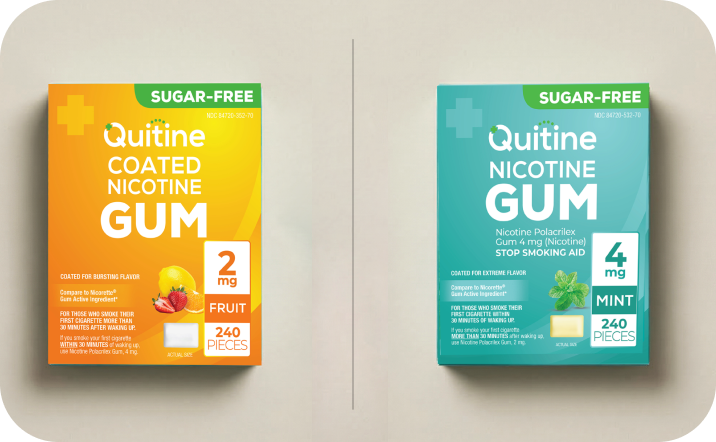
How Nicotine Gum Works
Nicotine gum delivers nicotine through the lining of your mouth as you chew. Unlike regular chewing gum, you need to use a specific "chew and park" technique to get the full effect.
Best for habit-triggered cravings
If you smoke or vape in response to specific triggers, after meals, during breaks, or when stressed, nicotine gum gives you something to do with your hands and mouth, which can help replace the physical habit.
Which Should You Choose?
The best choice depends on your personal preferences and smoking habits. If you miss the hand-to-mouth motion of smoking, gum might feel more natural. If you prefer something completely discreet, lozenges are a great option.Many people find that combining products, like using patches for all-day coverage and gum or lozenges for breakthrough cravings, gives them the best results.
Product Comparison
| Best For | Strength | |
|---|---|---|
| Nicotine Gum | Habit-triggered cravings | 2mg / 4mg |
| Nicotine Lozenges | Discreet craving relief | 2mg / 4mg |
| Nicotine Patches | All-day support | 21mg / 14mg / 7mg |
Potential benefits reported by patients
People who respond well often describe clearer thinking, reduced post-exertional malaise, better sleep, and less overall fatigue. Some notice an improved sense of smell or taste after long COVID. Others report calmer autonomic symptoms such as heart-rate swings.
These gains appear linked to the anti-inflammatory and neuromodulatory effects of nicotine at low doses. The patch keeps blood levels stable, which may help the receptors stay activated without the ups and downs of smoking or oral products.
Results are not universal. Many try the protocol and feel little difference. A smaller group finds it helpful enough to discuss longer-term options with their doctor. The short time frame makes it an accessible trial for those who qualify medically.
Safety, side effects, and practical precautions
Common side effects include mild skin redness or itching at the application site, nausea, headache, or vivid dreams. These often fade after a few days or with a lower dose. Serious problems are rare when the patch is used as directed at low strength for a limited time.
Dependence risk exists but stays lower with transdermal delivery than with rapid-acting forms. Still, anyone with a history of nicotine use should stay especially careful. Never combine nicotine patches with other nicotine products unless a clinician specifically advises it.
Store unused patches safely away from children and pets. Fold used patches sticky-side together before discarding. Rotate skin sites and avoid broken or irritated skin. Additional notes on comfort and adhesion appear in the overview of nicotine patch reviews.
Why steady delivery matters for protocols
The difference between a controlled patch and other nicotine sources is the release pattern. A well-made patch delivers nicotine evenly across many hours. This matches the needs of people seeking receptor support without sharp peaks that can trigger side effects or stronger dependence signals.
Quitine offers clear, thin nicotine patches in the familiar step strengths, including the lower 7 mg option that many chronic-illness protocols start with. The patches are designed for once-daily use, stay discreet under clothing, and come from a pharmacist-led company focused on reliable nicotine replacement. Users who want predictable coverage often choose the clear nicotine patch style because it blends with skin and releases steadily over 24 hours. The same quality that helps people quit smoking or vaping also supports those exploring short, low-dose protocols under guidance. Choose pharmacist-developed clear patches for reliable, steady nicotine delivery that fits careful protocols.
Choosing the right strength and form
For most non-smokers exploring a chronic-illness protocol, the 7 mg strength is the usual starting point. People who previously smoked may need different guidance from their doctor. Higher strengths such as 14 mg nicotine patch or 21 mg nicotine patch are generally reserved for heavier former smokers or for longer step-down plans aimed at quitting.
A 21 mg nicotine patch can serve as a reference point for understanding full-strength delivery, yet protocols for illness almost always stay at the lowest end. Combining a low-dose patch with occasional oral support is sometimes discussed, but only under professional advice.
When selecting a product, look for clear labeling, consistent release technology, and transparent ingredient lists. Multi-pack options and a simple step system help people complete a short protocol without running out mid-way. Resources that explain proper application add practical value. Broader context on structured plans is available through the 90-day quit program.
Tracking progress and knowing when to stop
Keep a simple daily note of energy, focus, physical symptoms, and any side effects. Many people decide within the first week whether the approach is worth continuing for the planned period. If benefits appear, some clinicians suggest a brief pause and then a second short course later rather than continuous use.
Stop promptly if unpleasant effects outweigh any gains. There is no need to finish a full box if the protocol is not helping. After stopping, most people return to their baseline without withdrawal when the total exposure stayed short and low.
Discover Quitine and our best NRT products
Why Quitine?
Meet Mark and Oliver, the founders of Quitine. Mark has more than 40 years of experience as a pharmacist. His father’s long struggle with smoking shaped the work he does today. He has spent his career helping people leave cigarettes and vapes behind. Oliver brings deep experience in ecommerce, branding, product development, marketing, and logistics. Together they built Quitine to offer clear, practical nicotine replacement therapies that fit real daily life.
Our NRT products
Our pharmacist-formulated NRT products are made to support you while you change the habits that go with smoking or vaping.
Combination therapy for higher quit success
Research shows that combining a long-acting nicotine patch with a faster-acting form of NRT such as nicotine gum or nicotine lozenges can raise the chance of quitting smoking by 17 to 37 percent compared with using one product alone. At Quitine our nicotine patches deliver a steady amount of nicotine through the skin all day. Our nicotine gum and lozenges give you something to use when a craving hits. This dual approach, called NRT combination therapy, gives you more flexibility so you can stay comfortable while you change the habit.
Accessible pricing
We believe quitting should be within reach for everyone. We keep our therapies priced so more people can start without cutting corners on quality.
Personalized support
Quitting is personal, and so is the way we work with you. From the customer service team to the way each product is formulated, we stay with you through the process.
The Quitine Circle
The Quitine Circle is our free 90-day guided quit program and private support community. It is open to anyone quitting smoking or vaping and requires no purchase. It follows the same structured, pharmacist-backed approach that shapes our NRT products. You get short training modules, a practical quit workbook, weekly live Q and A sessions, and a moderated space with other people who are quitting, so you do not have to rely on willpower alone.
Discover which NRT is right for you
Not sure which product suits you best? Take our personalized quiz to find the NRT product that fits your needs. Take the Quiz
Real quitters. Real success.
See what our customers are saying about Quitine nicotine replacement therapy. Read Case Studies
The Quitine guarantee
Your satisfaction is covered. Learn more about our 30-day money-back promise. Learn More About Our Guarantee
Discover our best nicotine patches - Quitine
1) Quitine Nicotine Patches Step 1 21mg 28 Pieces
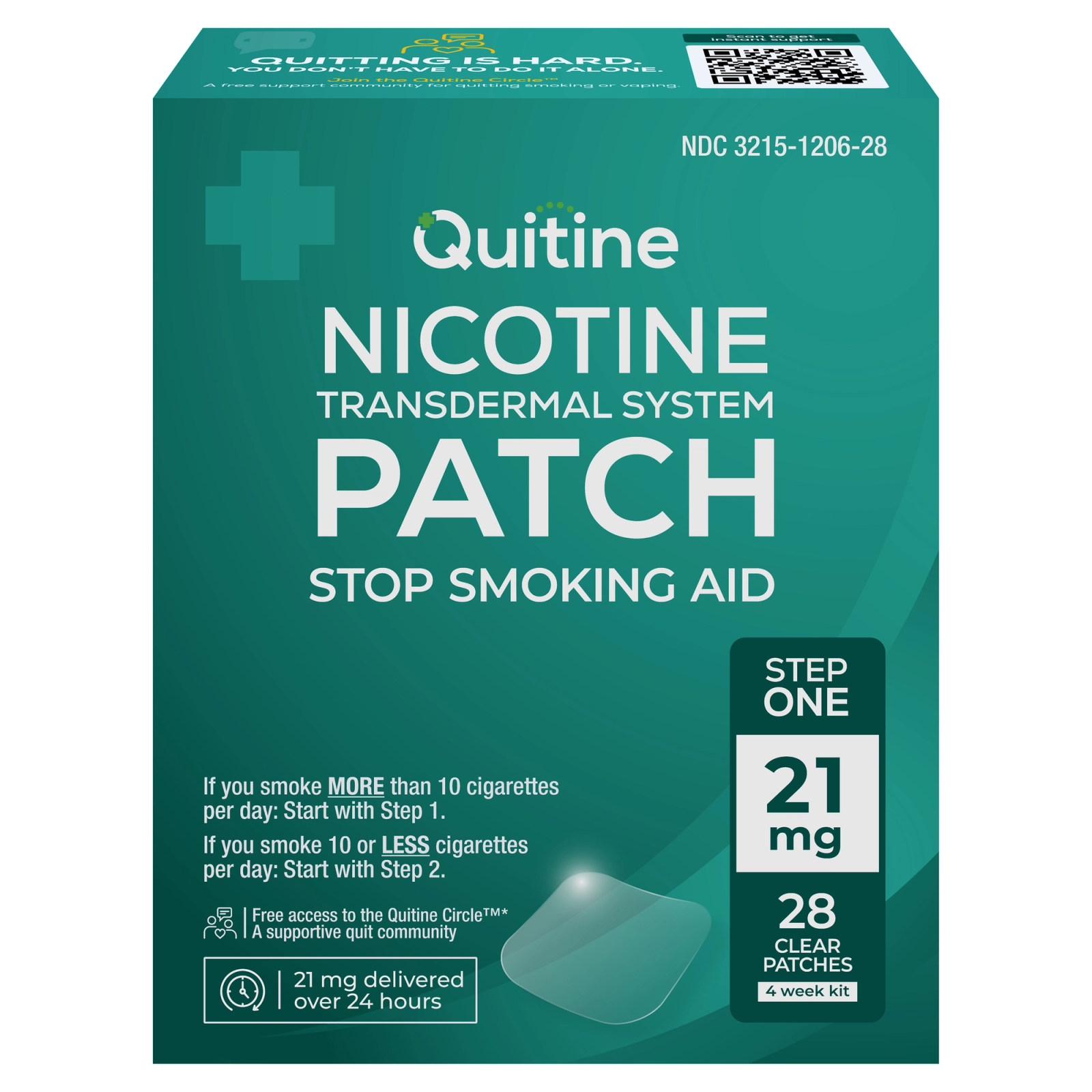
Description (Quitine Nicotine Patches Step 1 21mg 28 Pieces):
28 patches (4-week kit)
Start here if you smoke or vape within 30 minutes of waking, or if you smoke more than 10 cigarettes a day. You can combine the patches with 4 mg gum or lozenges when a craving breaks through.
Quitine nicotine patches are an FDA-regulated stop-smoking aid. Each patch delivers a steady amount of nicotine through the skin over a full 24 hours. You put one patch on in the morning on clean, dry skin. It stays in place through the day so the nicotine stays even while you work on the habits that go with smoking or vaping.
How to use
- Choose clean, dry, hairless skin on your upper arm, chest, or back. Skip lotions or oils before you apply the patch.
- Peel the liner and press the patch firmly for 10 to 20 seconds. Smooth the edges so it holds.
- Wear the patch for 24 hours. It is made for all-day use during regular activities.
- Remove the patch after 24 hours and put a new one on a different skin site. Rotate the spot each day to keep the skin comfortable.
Stop use if skin irritation occurs. See the package directions.
2) Quitine Nicotine Patches Step 2 14mg 14 Pieces
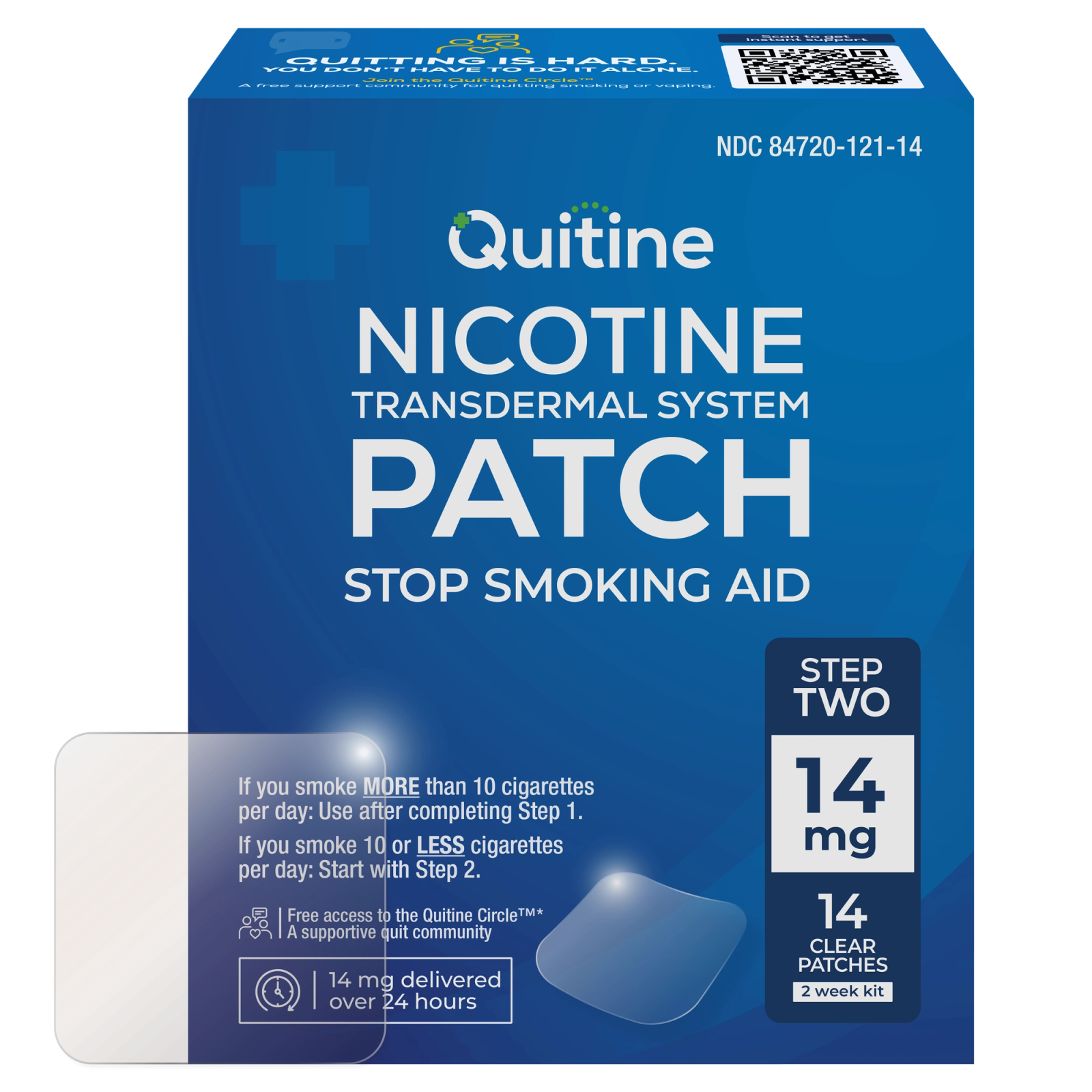
Description (Quitine Nicotine Patches Step 2 14mg 14 Pieces):
14 patches (2-week kit)
Start here if you smoke fewer than 10 cigarettes a day or vape lightly. You can also use these after you finish Step 1. Combine with 2 mg gum or lozenges if a craving breaks through.
Quitine nicotine patches are an FDA-regulated stop-smoking aid. Each patch delivers a steady amount of nicotine through the skin over 24 hours. You apply one patch each morning to clean, dry skin. It works in the background all day. There is no timing or counting required. You get consistent baseline support so you can focus on breaking the habit.
How to use
- Choose clean, dry, hairless skin on your upper arm, chest, or back. Skip lotions or oils before applying.
- Peel the liner and press the patch firmly for 10 to 20 seconds. Smooth the edges for a solid hold.
- Wear the patch for 24 hours. It is made for all-day wear, including everyday activities.
- Remove the patch after 24 hours and apply a new one to a different skin site. Rotate the site daily for comfort.
Stop use if skin irritation occurs. See the package directions for full details.
3) Quitine Nicotine Patches Step 3 7mg 14 Pieces
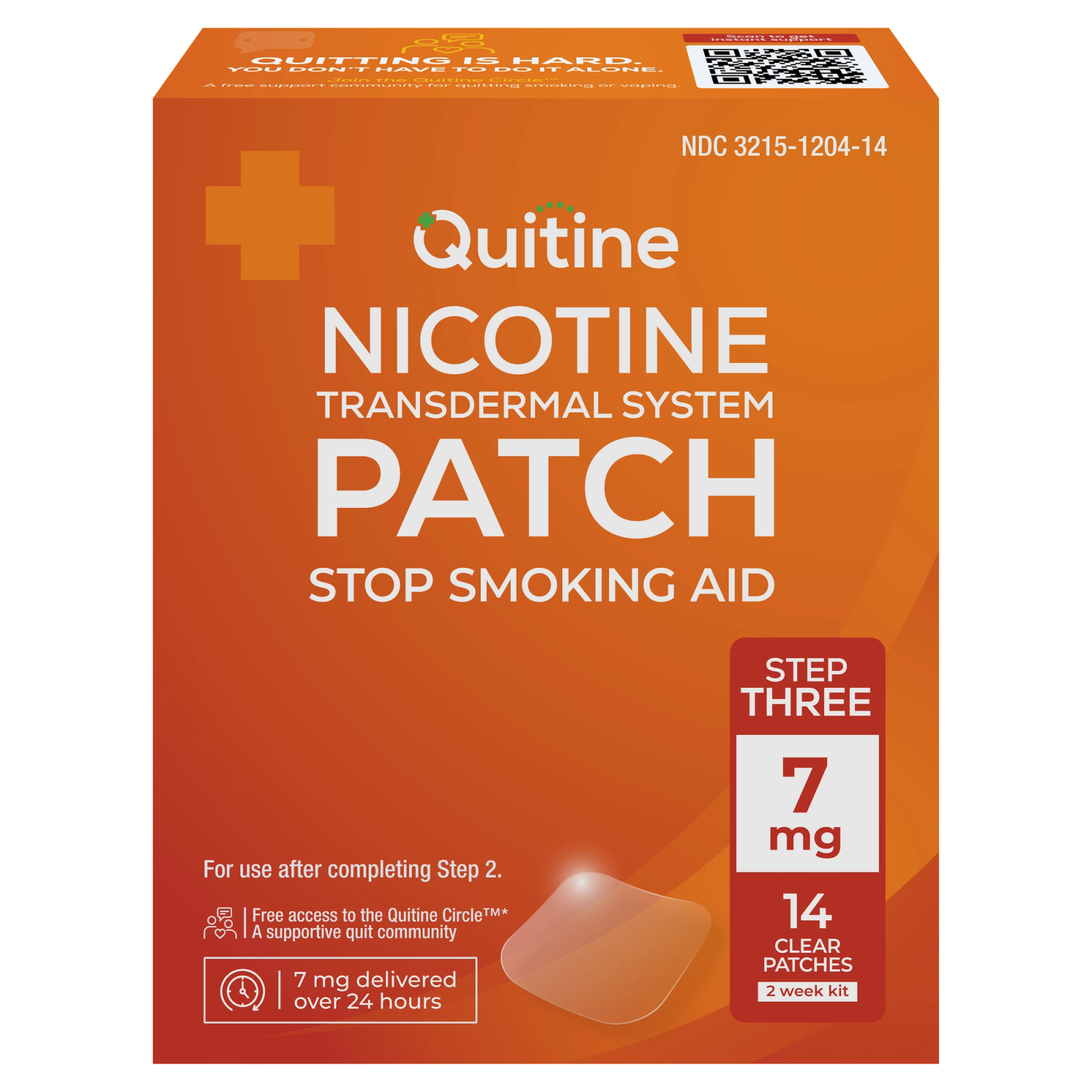
Description (Quitine Nicotine Patches Step 3 7mg 14 Pieces):
14 patches (2-week kit)
Use after you finish Step 2. This is the final taper. You can use the patches alone or add 2 mg gum or lozenges on harder days.
Quitine nicotine patches are an FDA-regulated stop-smoking aid. Each one delivers a steady amount of nicotine through the skin over 24 hours. You apply one patch every morning to clean, dry skin. The patch works in the background all day so you can focus on changing the habit itself.
How to use
- Choose a clean, dry, hairless area of skin on your upper arm, chest, or back. Skip any lotions or oils before you put the patch on.
- Peel the liner and press the patch firmly for 10 to 20 seconds. Smooth the edges so it stays in place.
- Wear the patch for a full 24 hours through everyday activities.
- After 24 hours, take it off and put a new patch on a different skin site. Rotate the location each day for comfort.
Stop use if skin irritation appears and follow the package directions.
Read also:
- Clear nicotine patch
- 21mg nicotine patch
- Nicotine patch reviews
- How to use nicotine replacement therapy
- Nicotine Gum vs. Nicotine Patch
Frequently asked questions
Can a nicotine patch help with long COVID brain fog and fatigue?
Low-dose nicotine can interact with receptors that influence attention, memory, and immune signaling. Some people with post-viral symptoms report shifts in mental clarity when nicotine levels stay even rather than fluctuating. The patch form keeps delivery consistent across the day, which differs from oral products that create quicker rises and falls. Individual biology, overall health status, and concurrent treatments all shape the outcome. Working with a clinician familiar with the full medical picture remains the safest path for anyone considering this approach.
What dose is typically used in chronic illness protocols?
Protocols outside standard quitting plans almost always begin at the lowest available strength. The 7 mg option is the most frequent starting point for people with little or no prior nicotine exposure. Skin sensitivity and body weight can influence how the dose feels, so some individuals adjust by covering part of the patch surface. Higher strengths appear mainly in smoking-cessation step-down schedules rather than short experimental courses. A prescriber who understands both the condition and nicotine’s pharmacology can help match the choice to the person. Details on the higher end of the range are covered in the 21mg nicotine patch page.
How long should someone stay on a nicotine patch for this purpose?
Most reported courses stay brief, often measured in days or a couple of weeks rather than months. The limited timeframe reduces the chance of the body adapting in ways that complicate later stopping. Some people prefer a continuous stretch while others insert short breaks between applications. Extending past a month is uncommon unless a clinician is supervising a different goal. Clear notes on daily symptoms help determine whether the planned length still makes sense partway through.
Are there people who should avoid this approach entirely?
Certain cardiovascular conditions, recent cardiac events, and uncontrolled hypertension raise the risk profile of any nicotine product. Pregnancy and adolescence are also situations where nicotine exposure is generally avoided. People with a past pattern of rapid dependence on nicotine sources need extra caution because even slow delivery can reinforce the habit in some cases. A thorough review of current medications is important because nicotine can interact with several drug classes. Specialist input is the practical way to weigh these factors before any trial begins.
Does the type of patch make a difference for protocols?
Consistent release rate and reliable adhesion matter more than surface appearance. A clear, thin design can make daily site rotation easier and less noticeable under clothing. Manufacturing quality affects how evenly the nicotine leaves the patch over 24 hours, which in turn influences how stable blood levels remain. Labels that state the exact strength and wear time help keep dosing predictable. Details on application and skin care appear in resources such as the clear nicotine patch page and the guide on how to use NRT. Additional perspective on product differences is available in the nicotine patch reviews.

Ready to Quit or Just Cut Back?
If you're reading about nicotine, vaping, or smoking habits, chances are you're already thinking about making a change.
You don't have to figure it out alone. The Quitine Circle is our free support community, open to everyone quitting smoking or vaping. No purchase is required, and you do not need to use Quitine products to participate.
Inside the Quitine Circle you'll find:
The 90-Day Quit Program to guide your step down plan
A printable Quit Program Workbook to track progress
Practical tools for managing cravings and triggers
Support from others going through the same process
Quitting works best when you combine the right tools with the right structure. That's exactly what the Quitine system is built for.
Take our short quiz to see which Quitine Quit Kit fits your nicotine habits.

Not Sure Which Product Is Right for You?
Take our 2-minute Quit Quiz and get a personalized product recommendation and 90-day system based on your smoking or vaping habits.