
Nicotine patches and kidney function

People searching for nicotine patches and kidney function usually want clear answers about safety. Many wonder if the steady nicotine from a patch can add stress to kidneys that already work harder than they should. Nicotine can affect blood flow and place some load on the kidneys, yet the patches leave out the far more damaging chemicals in cigarette smoke.
For most people with reduced kidney function, the larger risk remains with continued smoking. A steady-release option such as Quitine nicotine patches can help lower overall exposure while managing cravings.
It can also help to understand how nicotine patches and exercise performance, nicotine patches and immune system response, nicotine patches and inflammation markers, and nicotine patches and liver metabolism may relate to overall health.
Start the 90-Day Quit Challenge.
How nicotine reaches and affects the kidneys
Nicotine enters the bloodstream whether it comes from a cigarette, vape, pouch, or patch. Once in the blood it can tighten blood vessels. The kidneys need steady blood flow to filter waste. When vessels narrow, filtration can slow for a short time. Animal and cell studies also point to higher oxidative stress and mild inflammation in kidney tissue after repeated nicotine exposure. Some pathways linked to scarring appear more active with ongoing nicotine contact.
These effects show up more clearly in people who already have high blood pressure, diabetes, or existing chronic kidney disease. Smoking multiplies the problem because smoke carries hundreds of extra toxins that damage blood vessels and raise the chance of faster kidney decline. Patches deliver only nicotine, so they avoid that extra load. Medical reviews note that the pure nicotine dose from a properly used patch stays lower and more controlled than the peaks that come with smoking.
Safety of nicotine patches when kidney function is reduced
Guidelines for patients with chronic kidney disease and those on dialysis still recommend nicotine replacement therapy as a first-line tool to stop smoking. The patch receives special mention because it provides a steady background level without the sharp spikes of inhaled nicotine. Clearance of nicotine slows in severe kidney impairment. Some sources advise caution in the most advanced stages, yet they list no fixed dose reductions for the patch itself. The consistent advice is that the harm from continued smoking outweighs the theoretical risk of carefully monitored nicotine replacement.
People with mild or moderate kidney reduction usually use the same step-down schedule as everyone else. Those with severe reduction or on dialysis should speak with their kidney doctor or transplant team before starting. The conversation usually focuses on overall health goals rather than stopping the nicotine patch altogether. Many transplant centers actively encourage nicotine replacement because smoking raises the chance of transplant problems and heart events.
Why quitting smoking protects kidney health more than nicotine alone
Smoking links to faster loss of kidney function across many studies. The combination of nicotine, carbon monoxide, heavy metals, and other chemicals accelerates vessel damage and inflammation. People who quit often see blood pressure improve and protein leakage into urine stabilize over time. Nicotine patches support that process by easing nicotine withdrawal so the person can stay smoke-free long enough for the body to repair.
Compared with continuing to smoke, the patch removes the combustion toxins while still addressing the chemical dependence. Compared with sudden quit nicotine cold-turkey attempts, the patch raises the chance of lasting success for many users. Combination use, pairing a daily patch with short-acting nicotine gum or nicotine lozenges for sudden urges, works even better for some.
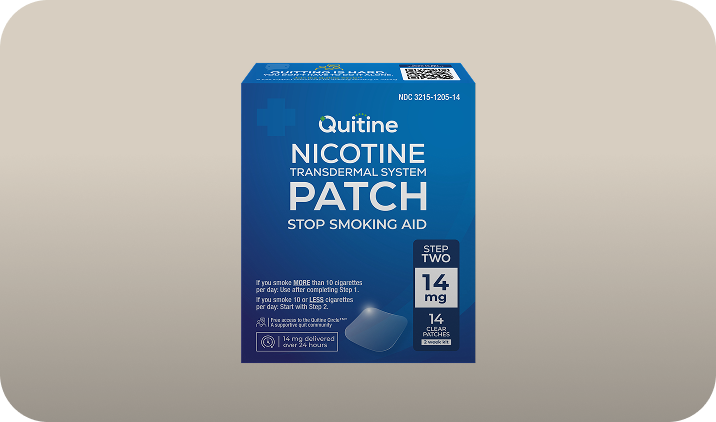
How Nicotine Patches Work
Nicotine patches are designed to deliver a steady level of nicotine through your skin over time. Unlike gum or lozenges, which you use when a craving hits, patches work in the background to support you throughout the day.
They’re often used as a foundation for quitting. By reducing baseline withdrawal symptoms, patches can make it easier to manage cravings as they come up.
Which Should You Choose?
The best choice depends on your personal preferences and smoking habits. If you miss the hand-to-mouth motion of smoking, gum might feel more natural. If you prefer something completely discreet, lozenges are a great option.Many people find that combining products, like using patches for all-day coverage and gum or lozenges for breakthrough cravings, gives them the best results.
Product Comparison
| Best For | Strength | |
|---|---|---|
| Nicotine Gum | Habit-triggered cravings | 2mg / 4mg |
| Nicotine Lozenges | Discreet craving relief | 2mg / 4mg |
| Nicotine Patches | All-day support | 21mg / 14mg / 7mg |

Practical dosing and use tips for people watching kidney function
Standard patch schedules still apply for most. Heavy smokers or those who reach for nicotine soon after waking often begin with the highest strength for several weeks, then step down. Lighter users may start lower. Apply the patch once a day to clean, dry, hairless skin on the upper body or outer arm. Rotate nicotine patch placement to limit skin irritation. Wear it during sleep if morning cravings are strong, or remove it at night if sleep is disturbed.
Because clearance slows in advanced kidney disease, some clinicians prefer starting at a moderate strength and watching for side effects such as nausea, headache, or rapid heartbeat. These signs are uncommon when the patch is used as directed. Stay hydrated, keep blood pressure checked, and report any unusual changes to the care team. Never cut a patch or use more than one at a time unless a doctor specifically advises it.
Quitine nicotine patches as a practical option
Quitine offers a clear step-down nicotine patch program designed by a pharmacist with decades of experience helping people quit. The line includes Step 1 at 21 mg, Step 2 at 14 mg, and Step 3 at 7 mg. Each patch delivers nicotine steadily over 24 hours through a thin, discreet film that stays in place during normal daily activity, including showering. Many users combine the daily patch with Quitine nicotine gum or nicotine lozenges for breakthrough cravings.
The full collection of nicotine replacement products gives flexibility while keeping the focus on finishing. Free tools such as the Quitine Circle and the personalized quit smoking quiz help users stay consistent until they reach zero nicotine. The 30-day money-back guarantee removes financial pressure during the early stages.

Combining patches with other nicotine replacement forms
A patch alone controls baseline levels well. Adding a short-acting form such as nicotine gum or nicotine lozenges handles sudden urges after meals, during stress, or in social settings. This combination approach appears in many clinical recommendations for people with kidney disease because it improves quit rates without raising the total nicotine load beyond what a heavy smoker already absorbed. Start the oral nicotine product at the strength that matches previous smoking volume and taper both forms together over weeks to months.
Monitoring and when to check with a doctor
Anyone with known kidney disease should tell the care team before beginning a patch. Blood pressure, heart rate, and kidney lab results already tracked for the condition give a useful baseline. Watch for unusual skin reactions, persistent nausea, or changes in urine output. Most side effects stay mild and fade as the body adjusts. If dialysis or transplant medications are in use, confirm there are no timing conflicts, though nicotine replacement products rarely interact with common immunosuppressants.
Pregnant people, those with recent heart events, or anyone under 18 need separate medical advice. The goal remains the same: remove the greater harm of smoking while using the lowest effective nicotine dose for the shortest practical time.
Long-term outlook after switching to patches
Once smoking stops, many of the vessel-damaging effects begin to reverse. Kidney filtration markers can stabilize. Blood pressure often improves. The remaining nicotine from a tapering patch is temporary and controlled. People who complete a full step-down program and stay smoke-free gain the largest protection for both kidney and heart health. Support tools such as a structured quit smoking plan or community check-ins raise the odds of staying on track.
FAQ
Are nicotine patches safe if I already have chronic kidney disease?
Most kidney specialists view them as safer than continued smoking. Clearance of nicotine slows when kidney function is very low, so a doctor may suggest starting at a moderate strength and watching for side effects. The patch itself does not carry the extra toxins that accelerate kidney decline. Regular follow-up labs already part of CKD care help keep everything monitored.
Do I need a lower dose of the nicotine patch because of my kidneys?
No fixed dose reduction appears in most guidelines for the patch. Caution is noted for severe impairment, yet the standard step-down schedule works for many. Your kidney doctor can adjust based on how you feel and on any concurrent medications. Starting with the nicotine dosage that matches your previous smoking pattern remains the usual first step.
Can I use nicotine patches if I am on dialysis or have a kidney transplant?
Yes, many transplant and dialysis programs actively recommend nicotine replacement to protect the remaining kidney function or the new organ. Smoking raises the risk of heart problems and transplant complications. The patch has no major interactions with common transplant drugs. Always clear the plan with the transplant team first.
How do nicotine patches compare with nicotine pouches or vaping for kidney health?
Patches deliver only nicotine through the skin in a steady, measured amount. Pouches and vapes still introduce nicotine plus flavoring agents or other compounds that some case reports link to sudden kidney stress. The patch avoids inhalation and oral absorption spikes. For people focused on kidney protection, the controlled transdermal route is usually preferred.
What should I do if I notice changes in my kidney numbers while using a patch?
Contact your kidney care team promptly. Most changes come from other factors such as blood pressure shifts, dehydration, or new medications rather than the patch itself. Stopping smoking often improves numbers over time. Keeping a simple log of patch use, blood pressure readings, and any nicotine patch side effects helps the doctor sort out the cause quickly.
Start the 90-Day Quit Challenge.
Read Also:
- How nicotine patches work: mechanism and best practices
- Nicotine patch dosage: how to choose the right strength
- Nicotine patch side effects timeline: what happens day by day
- Nicotine patches and anxiety: do they make it better or worse?
- Nicotine patches and sleep quality: causes of insomnia and solutions

Ready to Quit or Just Cut Back?
If you're reading about nicotine, vaping, or smoking habits, chances are you're already thinking about making a change.
You don't have to figure it out alone. The Quitine Circle is our free support community, open to everyone quitting smoking or vaping. No purchase is required, and you do not need to use Quitine products to participate.
Inside the Quitine Circle you'll find:
The 90-Day Quit Program to guide your step down plan
A printable Quit Program Workbook to track progress
Practical tools for managing cravings and triggers
Support from others going through the same process
Quitting works best when you combine the right tools with the right structure. That's exactly what the Quitine system is built for.
Take our short quiz to see which Quitine Quit Kit fits your nicotine habits.