
Can You Use Too Much Nicotine Gum? Overuse Signs and Safety Precautions

Nicotine gum helps many people kick the smoking habit by easing cravings and withdrawal. But yes, you can chew too much and face problems from excess nicotine. This aid, part of nicotine replacement therapy, delivers small doses to your system without tobacco's toxins. Still, overuse leads to side effects ranging from mild stomach upset to serious issues like fast heart rate.
If you're asking about too much nicotine gum, know the risks stem from not following directions. Variations like nicotine gum overdose or excessive chewing can build up the substance in your body. Stick to guidelines for safe quitting. For reliable options, check our nicotine gum products in 2mg and 4mg strengths. Learn more tips in our guide on how nicotine gum helps quit vaping.
Take control today! Try Quitine's nicotine gum risk-free with our 30-day money-back guarantee. Join our subscription program for exclusive savings!
See our nicotine gum collection - Quitine
Ready to quit smoking safely with trusted nicotine gum? Start your journey at Quitine now.

Ready to Quit or Just Cut Back?
If you're reading about nicotine, vaping, or smoking habits, chances are you're already thinking about making a change.
You don't have to figure it out alone. The Quitine Circle is our free support community, open to everyone quitting smoking or vaping. No purchase is required, and you do not need to use Quitine products to participate.
Inside the Quitine Circle you'll find:
The 90-Day Quit Program to guide your step down plan
A printable Quit Program Workbook to track progress
Practical tools for managing cravings and triggers
Support from others going through the same process
Quitting works best when you combine the right tools with the right structure. That's exactly what the Quitine system is built for.
Take our short quiz to see which Quitine Quit Kit fits your nicotine habits.
What Happens If You Chew Too Much Nicotine Gum?
Chewing extra pieces piles on nicotine. Each piece holds 2mg or 4mg, and your body absorbs it through the mouth lining. Too much spikes blood levels, mimicking an overdose. This can irritate your gut or speed your heart. Studies show most folks stay safe with proper use, but ignoring limits raises risks. For instance, combining gum with patches or smoking amps up intake. Always check labels. Our nicotine gum dosing guide helps pick the right amount based on your habits.
Nicotine acts fast. In minutes, excess causes discomfort. Long term, it might lead to dependence on the gum itself. But quitting tools like this beat smoking's dangers. Overdose from gum is rare in adults but possible with misuse.
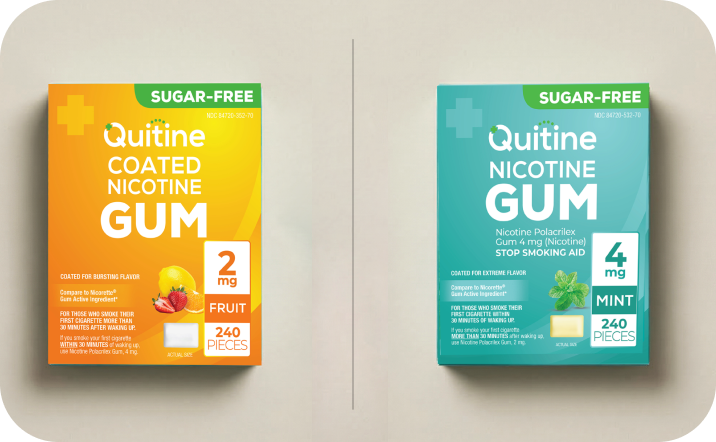
How Nicotine Gum Works
Nicotine gum delivers nicotine through the lining of your mouth as you chew. Unlike regular chewing gum, you need to use a specific "chew and park" technique to get the full effect.
Best for habit-triggered cravings
If you smoke or vape in response to specific triggers, after meals, during breaks, or when stressed, nicotine gum gives you something to do with your hands and mouth, which can help replace the physical habit.
Common Signs of Nicotine Gum Overuse
Spot early warnings to avoid bigger trouble. Mild signs hit first. You might feel nauseous or get an upset stomach. Heartburn often follows, especially if you chew fast. Sore throat or mouth irritation comes from constant chewing. Hiccups pop up too, as nicotine irks the diaphragm.
Jaw pain signals overuse from all that chewing motion. Dizziness or headaches can strike if levels climb. These fade if you stop or cut back. Track your daily pieces. If you chew more than advised, these crop up. For relief ideas, see our post on using nicotine gum with dentures or braces.
Serious Symptoms of Nicotine Overdose
Worse signs mean get help quick:
- Rapid heartbeat or pounding in ears points to heart strain.
- Vomiting won't stop, and you feel weak.
- Seizures are rare but serious in high doses.
- Breathing gets shallow, or you get confused easily.
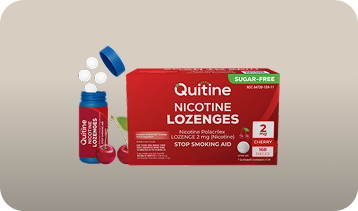
How Nicotine Lozenges Work
Nicotine lozenges dissolve slowly in your mouth, releasing nicotine that's absorbed through the lining of your mouth. They're designed to be placed between your gum and cheek, not chewed or swallowed.
Lozenges are ideal if you prefer a more discreet option or if you find the chewing technique of gum challenging. They provide steady nicotine release over 20-30 minutes.
Pharmacist Tip: If you smoke more than 10 cigarettes per day, start with the 4mg strength.
Which Should You Choose?
The best choice depends on your personal preferences and smoking habits. If you miss the hand-to-mouth motion of smoking, gum might feel more natural. If you prefer something completely discreet, lozenges are a great option.Many people find that combining products, like using patches for all-day coverage and gum or lozenges for breakthrough cravings, gives them the best results.
Recommended Dosage for Nicotine Gum
Follow doses to stay safe. If you smoke over 25 cigarettes daily, start with 4mg pieces. Under that, try 2mg. Chew one every 1-2 hours first six weeks, max 24 daily.
Weeks 7-9: Every 2-4 hours. Weeks 10-12: Every 4-8 hours. Taper off after. Don't chew like regular gum; use "chew and park" method. Bite a few times, park between cheek and gum till tingle fades, repeat.
Here's a quick dosage table based on CDC and manufacturer guidelines:
| Smoking Habit | Starting Strength | Initial Frequency | Max Daily Pieces | Taper Schedule |
| >25 cigarettes/day | 4mg | 1 every 1-2 hours | 24 | Reduce every 3 weeks |
| ≤25 cigarettes/day | 2mg | 1 every 1-2 hours | 24 | Reduce every 3 weeks |
| Light smoker (<10/day) | Consult doctor | As needed | Varies | Gradual decrease |
Adjust for your needs. Our nicotine gum vs patch comparison shows how to blend methods.
Safety Precautions When Using Nicotine Gum
Use smart to cut risks. Don't eat or drink 15 minutes before or during chewing; acids block absorption. Avoid if you have mouth sores or recent heart attack. Tell your doctor about conditions like high blood pressure or diabetes.
Pregnant? Talk to a doc first; risks to baby exist. Keep gum from kids and pets; even used pieces hold nicotine. Store in cool, dry spots. Don't mix with other nicotine sources without advice.
For work or travel, our tips on using nicotine gum on airplanes help. Always wrap and toss used gum right.
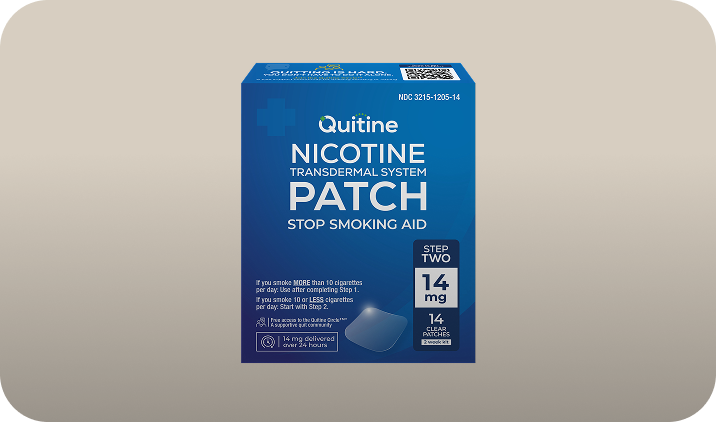
How Nicotine Patches Work
Nicotine patches are designed to deliver a steady level of nicotine through your skin over time. Unlike gum or lozenges, which you use when a craving hits, patches work in the background to support you throughout the day.
They’re often used as a foundation for quitting. By reducing baseline withdrawal symptoms, patches can make it easier to manage cravings as they come up.
Long-Term Effects of Overusing Nicotine Gum
Extended overuse might cause dependence, where you crave gum. Heart issues could worsen, like raised blood pressure. Mouth problems linger, such as gum recession or tooth sensitivity.
Weight gain fears? Quitting often adds pounds, but gum helps control that by curbing appetite. Cancer link? Current studies say no direct tie, unlike tobacco. There are low serious effects from proper NRT use.
Manage stress without excess; try our exercise to quit smoking ideas. Track progress to wean off.
Alternatives to Nicotine Gum
If gum doesn't suit, try lozenges. They dissolve slowly, no chewing needed. Patches give steady doses all day. Sprays or inhalers work fast for cravings.
Prescription meds like varenicline block nicotine's buzz. Counseling boosts success. But for over-the-counter ease, gum or lozenges shine. See our nicotine lozenges vs gum for picks.
Favoring quality, our options beat generics in taste and effectiveness.
Why Quitine?
Meet Mark & Oliver, the compassionate founders of Quitine. With over 40 years of experience, Mark, inspired by his father's struggle, has dedicated his life to helping individuals quit smoking and vaping. Partnering with Oliver, who brings his own expertise in eCommerce—branding, product development, marketing, and logistics—to make quitting nicotine easier. Together, they created Quitine to provide effective, affordable, and supportive nicotine replacement therapies.
Effective Solutions
Our pharmacist-backed NRT products are designed to help you quit nicotine comfortably and successfully, ensuring the highest efficacy.
Affordable Pricing
We believe quitting should be accessible to everyone, offering affordable therapies without compromising quality.
Personalized Support
Quitting is personal, and so is our approach. From attentive customer service to carefully formulated products, we’re with you every step of the way.
Discover Which NRT is Right for You
Not sure which product suits you best? Take our personalized quiz to find the perfect NRT product tailored to your needs. Take the Quiz
Real Quitters. Real Success.
See what our customers are saying about Quitine Nicotine Replacement Therapy. Read Case Studies
The Quitine Guarantee
Your satisfaction is guaranteed. Learn more about our 30-day money-back promise. Learn More About Our Guarantee
Discover Our Best Nicotine Gum - Quitine
1) Quitine Nicotine Gum 4mg Fruit 240 Pieces
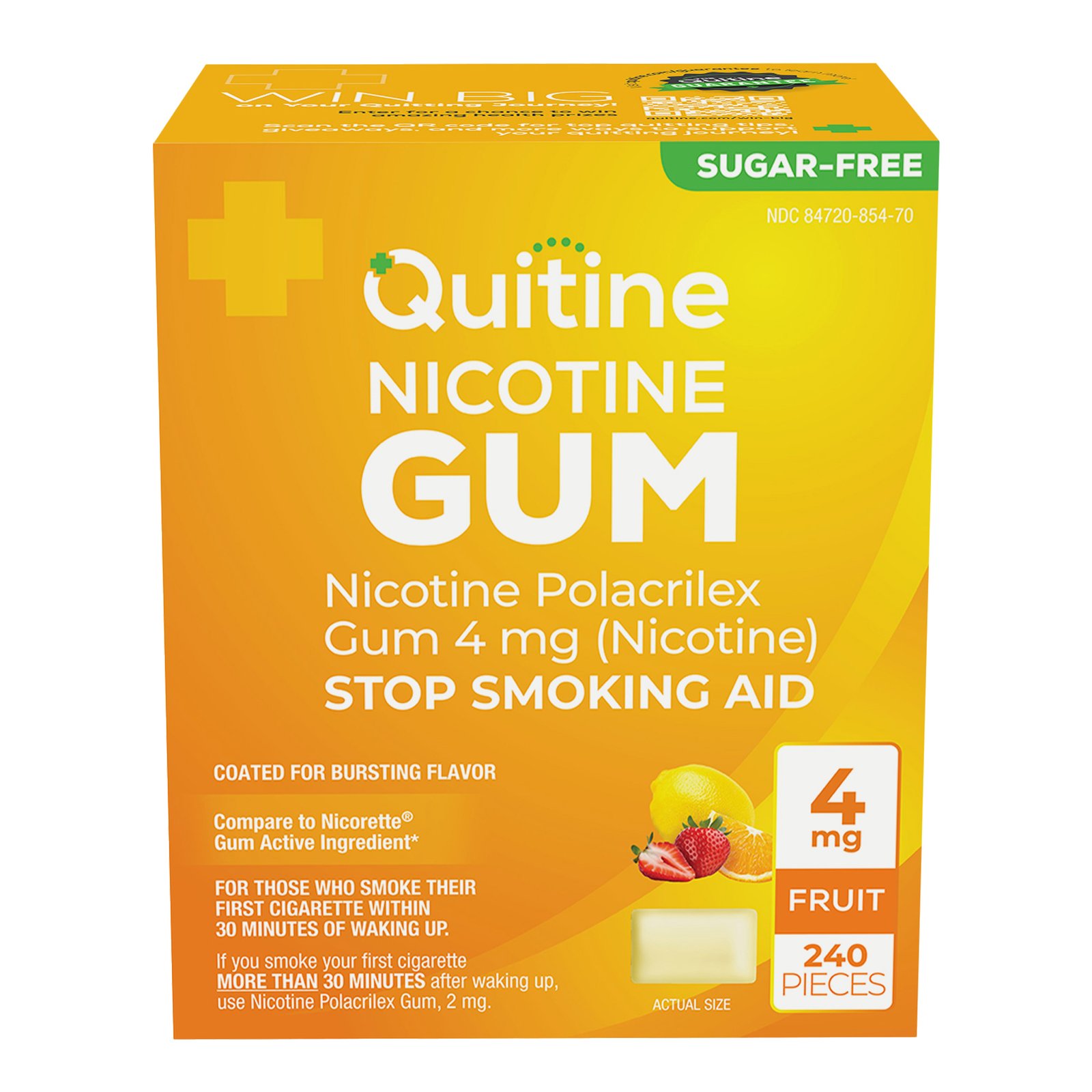
Description (Quitine Nicotine Gum 4mg Fruit 240 Pieces):
Embark on your journey to quit smoking or vaping with Quitine's 4mg Nicotine Gum in a delightful fruit flavor. Carefully developed by experienced pharmacist Mark La Hood, this gum is designed to help manage cravings and ease withdrawal symptoms effectively.
Features:
-Purposeful Support: Designed to assist with smoking and vaping cessation by reducing cravings and withdrawal effects.
-Expertly Crafted: Formulated by a pharmacist with over 40 years of expertise, ensuring a trusted and high-quality solution.
-Delicious Flavor: Experience a refreshing, long-lasting fruit flavor with each chew, making your quitting process enjoyable.
Generous Value Pack: The 240-count pack offers substantial savings of over 30% compared to smaller options, providing a cost-effective approach.
-Risk-Free Guarantee: Comes with a 30-day money-back guarantee, allowing you to try Quitine with confidence.
Usage:
Perfect for individuals who smoke their first cigarette within 30 minutes of waking. For those who smoke later, consider our 2mg gum. Regular use helps reduce nicotine dependency over time.
2) Quitine Nicotine Gum 2mg Fruit 240 Pieces
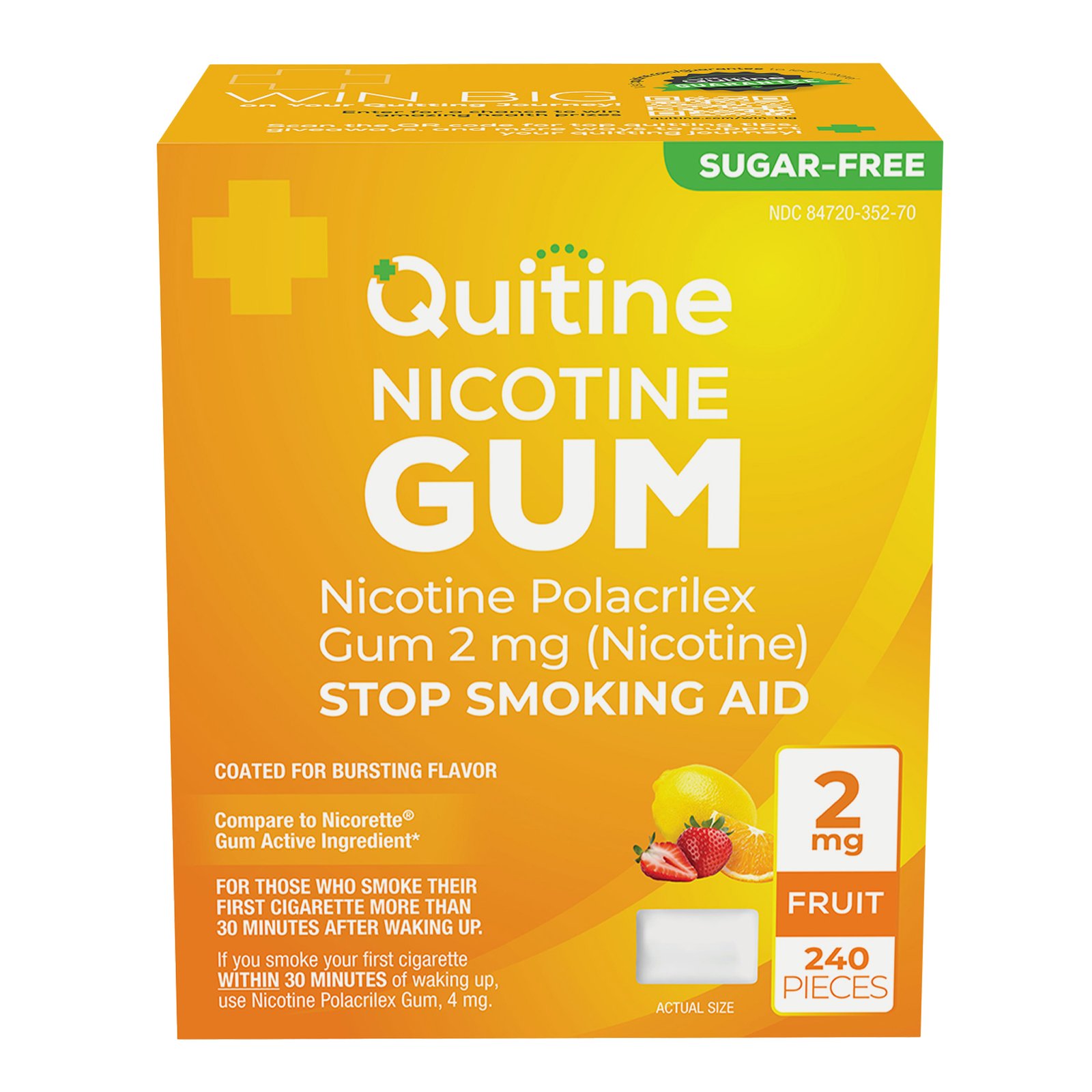
Description (Quitine Nicotine Gum 2mg Fruit 240 Pieces):
Quitine's 2mg Nicotine Gum is a premium smoking cessation product designed to help individuals quit smoking or vaping. With a refreshing fruit flavor and a generous 240-count pack, it offers a cost-effective and convenient solution for managing nicotine cravings and withdrawal symptoms.
Key Features:
-Nicotine Strength: 2mg per piece, ideal for individuals who smoke fewer than 20 cigarettes per day or those with light to moderate nicotine dependency.
-Flavor: Long-lasting fruit flavor for a satisfying chewing experience.
-Pack Size: 240 pieces, providing excellent value and convenience.
-Expertly Crafted: Developed by Mark La Hood, a pharmacist with over 40 years of experience in smoking cessation products.
How It Works
Quitine's nicotine gum uses the chew-and-park method to deliver nicotine through the lining of your mouth:
-Chew the gum until you feel a tingling sensation.
-Park it between your cheek and gums to allow nicotine absorption.
-Repeat the process for about 30 minutes
3) Quitine Nicotine Gum 4mg Mint 240 Pieces
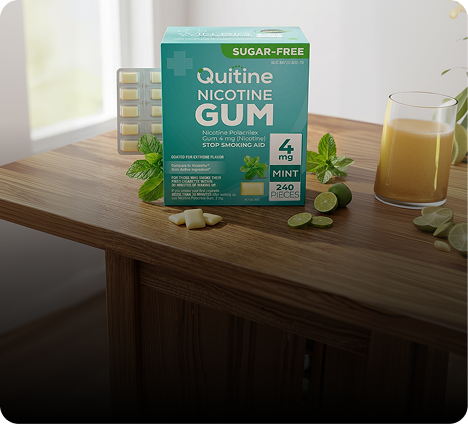
Description (Quitine Nicotine Gum 4mg Mint 240 Pieces):
Quitine Nicotine Gum 4mg with mint flavor is a premium smoking cessation aid designed to help individuals manage nicotine cravings and withdrawal symptoms during their journey to quit smoking or vaping. This product is ideal for those who smoke their first cigarette within 30 minutes of waking up, offering a higher nicotine strength for effective relief.
Key Features:
- Nicotine Replacement Therapy (NRT): Contains nicotine polacrilex (4mg per piece) to curb cravings and reduce dependency on nicotine over time.
- Refreshing Mint Flavor: Provides a smooth, long-lasting mint taste for a satisfying chewing experience.
- Value Pack: Includes 240 pieces, offering over 30% savings compared to smaller packs, making it a cost-effective solution for long-term use.
- Crafted by Experts: Developed by Mark La Hood, a pharmacist with over 40 years of experience, ensuring high-quality and reliable support for your quitting journey.
- Risk-Free Guarantee: Comes with a 30-day money-back promise to ensure customer satisfaction.
How It Works:
- Chew one piece of gum when cravings arise.
- Follow the recommended technique: chew slowly until the taste becomes strong, rest the gum between your cheek and gums, then chew again when the taste fades.
- Gradually reduce your nicotine intake over time.
Why Choose Quitine?
Quitine Nicotine Gum is an FDA-approved nicotine replacement therapy, a key advantage that ensures quality, safety, and reliability compared to non-regulated heated tobacco products. With its refreshing flavor, expert formulation, and generous value pack, it provides the tools needed to overcome cravings while making the quitting process more manageable.
4) Quitine Nicotine Gum 2mg Mint 240 Pieces
Description (Quitine Nicotine Gum 2mg Mint 240 Pieces):
Quitine Nicotine Gum 2mg with mint flavor is a trusted smoking cessation aid designed to help individuals manage nicotine cravings and withdrawal symptoms as they work toward quitting smoking or vaping. This lower-strength option is perfect for those who smoke their first cigarette more than 30 minutes after waking up.
Key Features:
- Nicotine Replacement Therapy (NRT): Contains nicotine polacrilex (2mg per piece) to effectively curb cravings and support gradual nicotine dependency reduction.
- Refreshing Mint Flavor: Offers a smooth, long-lasting mint taste for a satisfying and enjoyable chewing experience.
- Value Pack: Includes 240 pieces, providing over 30% savings compared to smaller packs, making it an economical choice for long-term use.
- Expertly Developed: Created by Mark La Hood, a pharmacist with over 40 years of experience, ensuring high-quality and reliable support for your quitting journey.
- Risk-Free Guarantee: Backed by a 30-day money-back promise to ensure customer satisfaction and confidence in your purchase.
Is Nicotine Gum Bad for You?
Nicotine gum delivers nicotine without the combustion byproducts found in cigarettes, which changes the overall risk picture for most users. The main considerations center on how the nicotine affects the body and how the chewing action interacts with teeth and gums over time.
Nicotine itself can raise heart rate and blood pressure temporarily, so individuals with existing cardiovascular conditions usually check with a professional before starting. Oral irritation or jaw fatigue can appear if the chewing technique is too aggressive or if pieces are used back to back without breaks.
When the gum stays in the mouth and the nicotine is absorbed through the lining rather than being swallowed, the stomach sees less direct exposure. This delivery method is one reason many people tolerate it better than they expect during the first days.
Longer-term questions often focus on whether the body becomes less responsive to lower amounts or whether mouth health changes with extended chewing. Both topics tie back to using the product only as long as it serves the quit goal and then moving toward full independence from nicotine. The formulations available focus on controlled release that supports steady levels rather than spikes.
Is Nicotine Gum Addictive? How to Avoid Trading One Habit for Another
Many people who turn to nicotine gum during a quit attempt wonder whether the product itself can create a new layer of reliance. Nicotine dependence develops when regular intake leads the body and brain to expect a steady supply. The pattern often combines physical adaptation with behavioral routines that form around certain times of day or situations.
Recognizing the difference between helpful short-term support and longer-term attachment matters. Some individuals continue the same number of pieces long after original cravings have faded. Others notice strong urges tied more to the act of chewing than to nicotine withdrawal itself.
90 day quit programs frequently address both the physical reduction and the habit side of the equation. These approaches build in gradual steps that help users notice when the gum has shifted from tool to routine.
Real experiences shared in case studies show that individuals who monitor their patterns closely tend to transition away from the gum more smoothly. The psychological component deserves attention because it can linger even when physical tolerance decreases. Replacing the gum with other oral habits or scheduled activities often eases that transition for those who have used it consistently.
How Long Should You Use Nicotine Gum? Safe Timelines and Tapering
The amount of time someone keeps nicotine gum in their routine depends on how heavily they used nicotine before and how their body responds during the early weeks. Some people reach a point where cravings drop enough to begin lowering intake within a couple of months. Others need a slower pace if their previous habits were deeply established.
Paying attention to personal signals works better than following a rigid schedule. Reduced morning urges, fewer intense moments during stress, and a stable mood without the gum all point toward readiness for the next step down.
The nicotine gum collection includes options in different strengths that support this adjustment phase because users can match the current need rather than staying on one level. Abrupt stops tend to bring back discomfort that many people want to avoid. Gradual lowering gives the body time to readjust its own regulation.
Those who have been through structured plans often describe the tapering period as the stage where confidence grows because progress becomes visible in daily life. Support resources that focus on the full quitting timeline help people stay consistent during this part of the process. When the goal stays on steady reduction rather than perfection, the timeline feels more manageable.
Latest News In 2026
Discussions in 2026 continue to highlight how combining nicotine replacement with clear behavioral frameworks improves outcomes for people concerned about prolonged use. Newer resources focus on matching the right strength and format to individual routines from the beginning.
This matching reduces the chance that someone stays on the same amount longer than needed. Better understanding of daily patterns and trigger times has led to more tailored suggestions that fit real life instead of one-size plans.
Support tools that include progress tracking and flexible delivery options have gained attention because they remove friction during the reduction phase. People who maintain steady access report fewer disruptions when they decide to step down. The emphasis remains on practical adjustments that fit around work, stress, and daily habits rather than requiring major lifestyle overhauls at once.
Product Comparison
| Best For | Strength | |
|---|---|---|
| Nicotine Gum | Habit-triggered cravings | 2mg / 4mg |
| Nicotine Lozenges | Discreet craving relief | 2mg / 4mg |
| Nicotine Patches | All-day support | 21mg / 14mg / 7mg |
Frequently asked questions
Yes, excess can raise heart rate and blood pressure, risking issues for those with heart conditions. Stick to doses and consult a doctor if you have history of heart disease. Recent data shows NRT is still safer than smoking's 480,000 annual U.S. deaths.
Most programs last 12 weeks, tapering down. Some need longer with guidance. Don't exceed without advice to avoid dependence. Our plans help customize for vaping or smoking quits.
Swallowing sends more nicotine to your stomach, possibly causing nausea. Chew properly to absorb through mouth. If symptoms hit, drink water and monitor; call help if severe.
Gum avoids lung harm from vaping, delivering controlled doses. Vaping risks unknown chemicals. Switch to gum for a proven path, as per CDC.
Absolutely, even one piece can sicken a child. Lock it away. 2023 stats show rising ingestions, though down from peaks.
Ready to quit smoking safely with trusted nicotine gum? Start your journey at Quitine now.
Dependence often shows up when the gum stays in daily use even after the strongest withdrawal period has passed. People notice that certain times of day or emotions automatically lead to reaching for a piece, even without intense cravings. Tracking these patterns over a week or two reveals whether the gum has shifted into a habit that continues out of routine rather than necessity. Many who review their own timelines find that external structure helps separate the original quit support from ongoing patterns. Real experiences shared in case studies highlight how small adjustments in daily tracking make the distinction clearer over time.
The body adapts to nicotine from any consistent source, so even lighter previous use can lead to reliance if the gum becomes a regular part of the day. The behavioral side, such as associating the chew with focus or calm, can strengthen the attachment independently of prior smoking levels. Awareness of these two layers makes it easier to address them separately during reduction. People who notice automatic reaching for the gum during low-stress moments often recognize the pattern early. Gradual awareness of both physical and routine-based attachment supports smoother adjustments later.
Personal history with nicotine, how quickly other withdrawal signs fade, and daily stress levels all shape the right duration for each person. Some move through the initial steady phase quickly while others benefit from more time before starting to lower their intake. The key is watching individual progress markers rather than comparing to general averages. Analyses of structured timelines show that flexibility around personal signals leads to better long-term outcomes for many. When stress or life changes occur, extending the steady phase slightly can prevent setbacks without derailing overall progress.
It delivers nicotine through a different route that avoids the smoke and many accompanying compounds, which changes the risk profile substantially for most users. The main points of attention become how the nicotine interacts with the cardiovascular system and any effects from repeated chewing on oral tissues. When kept to the period needed for quitting support, it serves a specific purpose that differs from ongoing tobacco use. Individual health background still guides whether it fits a particular situation. The controlled absorption method through the mouth lining further differentiates the experience from inhaled forms.
Spacing pieces further apart and paying closer attention to the chew and park rhythm often brings the experience back to expected levels. Stronger sensations can stem from faster absorption when the gum is chewed more vigorously or when multiple pieces overlap in effect. Taking a break for the rest of the day and resuming with more deliberate pacing the next day helps most people regain comfortable control. Reviewing the timing between pieces and the duration each one stays in the mouth usually identifies the cause quickly. Small technique refinements often resolve the issue without needing to change the overall plan.
Those managing heart conditions or blood pressure changes usually discuss options with their provider before beginning because nicotine can influence heart rate temporarily. Pregnancy introduces additional considerations around any nicotine exposure, even from replacement products. People with jaw or dental sensitivities may also want to check compatibility with their current oral health status. In each case the decision weighs the support the gum can provide against personal health factors. Professional input helps align the choice with individual circumstances rather than general guidelines alone.

Not Sure Which Product Is Right for You?
Take our 2-minute Quit Quiz and get a personalized product recommendation and 90-day system based on your smoking or vaping habits.