
Is Nicotine Gum Right for Light Smokers? Using NRT When You Smoke Just a Few Cigarettes

If you smoke just a few cigarettes a day, you might wonder if nicotine gum really helps. Light smokers, or those puffing fewer than 10 cigarettes daily, often face unique challenges when trying to quit. Nicotine replacement therapy (NRT), like gum, provides a controlled dose of nicotine without the harmful toxins in smoke. This can ease cravings and withdrawal for occasional smokers.
Many light smokers use NRT to break the habit gradually, avoiding full-blown addiction risks. Studies show it boosts quit rates even for those with low daily intake. For best results, pair it with support. Check out Quitine's nicotine lozenges if gum isn't your style, or explore their quitting toolkit for tips.
Take control today! Try Quitine's nicotine gum risk-free with our 30-day money-back guarantee. Join our subscription program for exclusive savings!
For light smokers, nicotine gum can be a practical tool for managing cravings and reducing the urge to smoke without exposing the body to combustion-related toxins. Understanding the benefits of nicotine gum can help you decide whether it fits your quit plan, while reviewing the pros and cons of nicotine gum provides a balanced perspective on effectiveness and potential drawbacks. Some users also explore using nicotine gum for stress relief during challenging moments, and women may find additional insights in this guide to nicotine benefits for women when considering nicotine replacement options.

Ready to Quit or Just Cut Back?
If you're reading about nicotine, vaping, or smoking habits, chances are you're already thinking about making a change.
You don't have to figure it out alone. The Quitine Circle is our free support community, open to everyone quitting smoking or vaping. No purchase is required, and you do not need to use Quitine products to participate.
Inside the Quitine Circle you'll find:
The 90-Day Quit Program to guide your step down plan
A printable Quit Program Workbook to track progress
Practical tools for managing cravings and triggers
Support from others going through the same process
Quitting works best when you combine the right tools with the right structure. That's exactly what the Quitine system is built for.
Take our short quiz to see which Quitine Quit Kit fits your nicotine habits.
What Is Nicotine Replacement Therapy (NRT)?
NRT delivers nicotine in safe forms to help smokers quit. It cuts cravings and withdrawal symptoms like irritability or anxiety. Common types include gum, patches, lozenges, sprays, and inhalers. For light smokers, who smoke fewer than 10 cigarettes a day, NRT targets mild dependence. It replaces nicotine from tobacco but skips cancer-causing chemicals.
Light smokers benefit because even occasional use builds tolerance. NRT lets you control intake and taper off. Gum, for example, absorbs through the mouth for quick relief. Patches offer steady release over hours.
Choose based on habits. If you smoke socially, gum fits discreet use. Always start with the lowest dose, like 2 mg for light users. Track progress to avoid overuse.
Link to Quitine's dosing guide for personalized advice. Their products make NRT simple and effective.
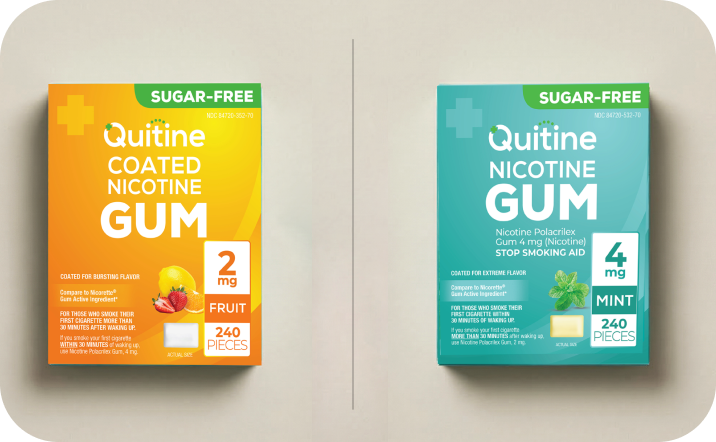
How Nicotine Gum Works
Nicotine gum delivers nicotine through the lining of your mouth as you chew. Unlike regular chewing gum, you need to use a specific "chew and park" technique to get the full effect.
Best for habit-triggered cravings
If you smoke or vape in response to specific triggers, after meals, during breaks, or when stressed, nicotine gum gives you something to do with your hands and mouth, which can help replace the physical habit.
Benefits of Nicotine Gum for Light Smokers
Nicotine gum helps light smokers manage urges without lighting up. It curbs withdrawal fast, often in minutes. For those smoking a few cigarettes, this means handling triggers like stress or social events.
One key perk: flexibility. Chew when needed, not on a schedule. This suits occasional smokers who don't need constant nicotine.
It also aids gradual reduction. Start with pieces matching your intake, then cut back. Many report fewer cravings after weeks.
Health gains include better lung function and lower heart risks quicker than cold turkey. Light smokers see mood improvements too, as stable nicotine eases anxiety.
Compared to patches, gum mimics hand-to-mouth action, helping behavioral habits.
Quitine's gum stands out with long-lasting flavors and firm chew, making it enjoyable. See their stress relief tips for more.
How to Use Nicotine Gum Effectively
- Use nicotine gum right to maximize benefits. Don't chew like regular gum; it can cause stomach upset.
- Bite slowly until you taste peppery flavor or feel a tingle. Park it between cheek and gum for a minute. Chew again when tingle fades. Repeat for 30 minutes per piece.
- For light smokers, start with 2 mg strength. Chew 9-10 pieces daily first 6 weeks if cravings hit. Taper to 1-2 every few hours next weeks.
- Avoid eating or drinking 15 minutes before or during. This boosts absorption.
- Combine with habits like walking after meals to replace smoking cues.
- If traveling, gum's portable. Check Quitine's travel guide.
- Monitor use; don't exceed 24 pieces daily. Consult pros if needed.
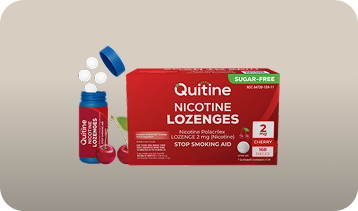
How Nicotine Lozenges Work
Nicotine lozenges dissolve slowly in your mouth, releasing nicotine that's absorbed through the lining of your mouth. They're designed to be placed between your gum and cheek, not chewed or swallowed.
Lozenges are ideal if you prefer a more discreet option or if you find the chewing technique of gum challenging. They provide steady nicotine release over 20-30 minutes.
Pharmacist Tip: If you smoke more than 10 cigarettes per day, start with the 4mg strength.
Which Should You Choose?
The best choice depends on your personal preferences and smoking habits. If you miss the hand-to-mouth motion of smoking, gum might feel more natural. If you prefer something completely discreet, lozenges are a great option.Many people find that combining products, like using patches for all-day coverage and gum or lozenges for breakthrough cravings, gives them the best results.
Potential Side Effects of Nicotine Gum
Nicotine gum can cause mild issues, but they're often short-lived.
- Common ones include mouth soreness, jaw ache, or hiccups from wrong chewing.
- Some feel nausea or heartburn if swallowed. Light-headedness hits if chewed too fast.
- Avoid if you have heart issues or are pregnant; nicotine affects fetuses.
- Overuse leads to dependence, but less than smoking. Stop after 12 weeks.
- Quitine's formulas minimize irritation with quality ingredients. Read their safety info.
- Side effects usually fade in days.
For light smokers, risks are low with proper use. Long-term, rare cases link to insulin resistance or higher blood pressure.
Comparing NRT Options: Gum vs. Others
- Gum offers quick relief, ideal for light smokers with sudden urges.
- Patches provide steady nicotine, better for consistent needs.
- Lozenges dissolve slowly, discreet like gum but no chewing.
- Sprays act fastest but may irritate nose.
For few cigarettes, gum's flexible. It beats patches for behavioral mimicry.
Quitine excels with gum and lozenges, affordable and backed by pharmacists. Their gum vs. lozenge comparison helps choose, and their guarantee outperforms others.
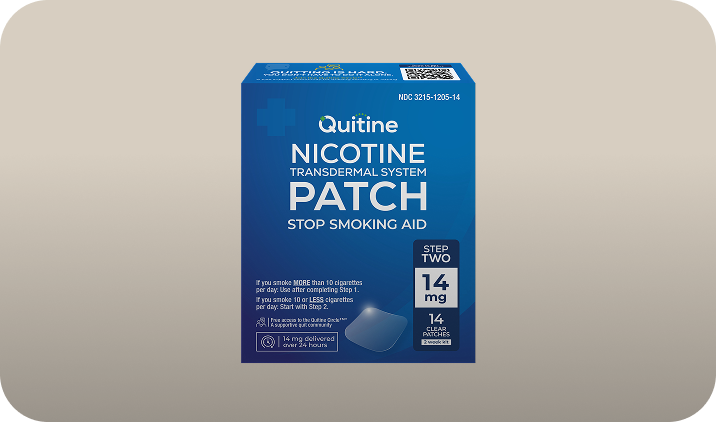
How Nicotine Patches Work
Nicotine patches are designed to deliver a steady level of nicotine through your skin over time. Unlike gum or lozenges, which you use when a craving hits, patches work in the background to support you throughout the day.
They’re often used as a foundation for quitting. By reducing baseline withdrawal symptoms, patches can make it easier to manage cravings as they come up.
Why Quitine?
Meet Mark & Oliver, the compassionate founders of Quitine. With over 40 years of experience, Mark, inspired by his father's struggle, has dedicated his life to helping individuals quit smoking and vaping. Partnering with Oliver, who brings his own expertise in eCommerce—branding, product development, marketing, and logistics—to make quitting nicotine easier. Together, they created Quitine to provide effective, affordable, and supportive nicotine replacement therapies.
Effective Solutions
Our pharmacist-backed NRT products are designed to help you quit nicotine comfortably and successfully, ensuring the highest efficacy.
Affordable Pricing
We believe quitting should be accessible to everyone, offering affordable therapies without compromising quality.
Personalized Support
Quitting is personal, and so is our approach. From attentive customer service to carefully formulated products, we’re with you every step of the way.
Discover Which NRT is Right for You
Not sure which product suits you best? Take our personalized quiz to find the perfect NRT product tailored to your needs. Take the Quiz
Real Quitters. Real Success.
See what our customers are saying about Quitine Nicotine Replacement Therapy. Read Case Studies
The Quitine Guarantee
Your satisfaction is guaranteed. Learn more about our 30-day money-back promise. Learn More About Our Guarantee
Discover Our Best Nicotine Gum - Quitine
1) Quitine Nicotine Gum 4mg Fruit 240 Pieces
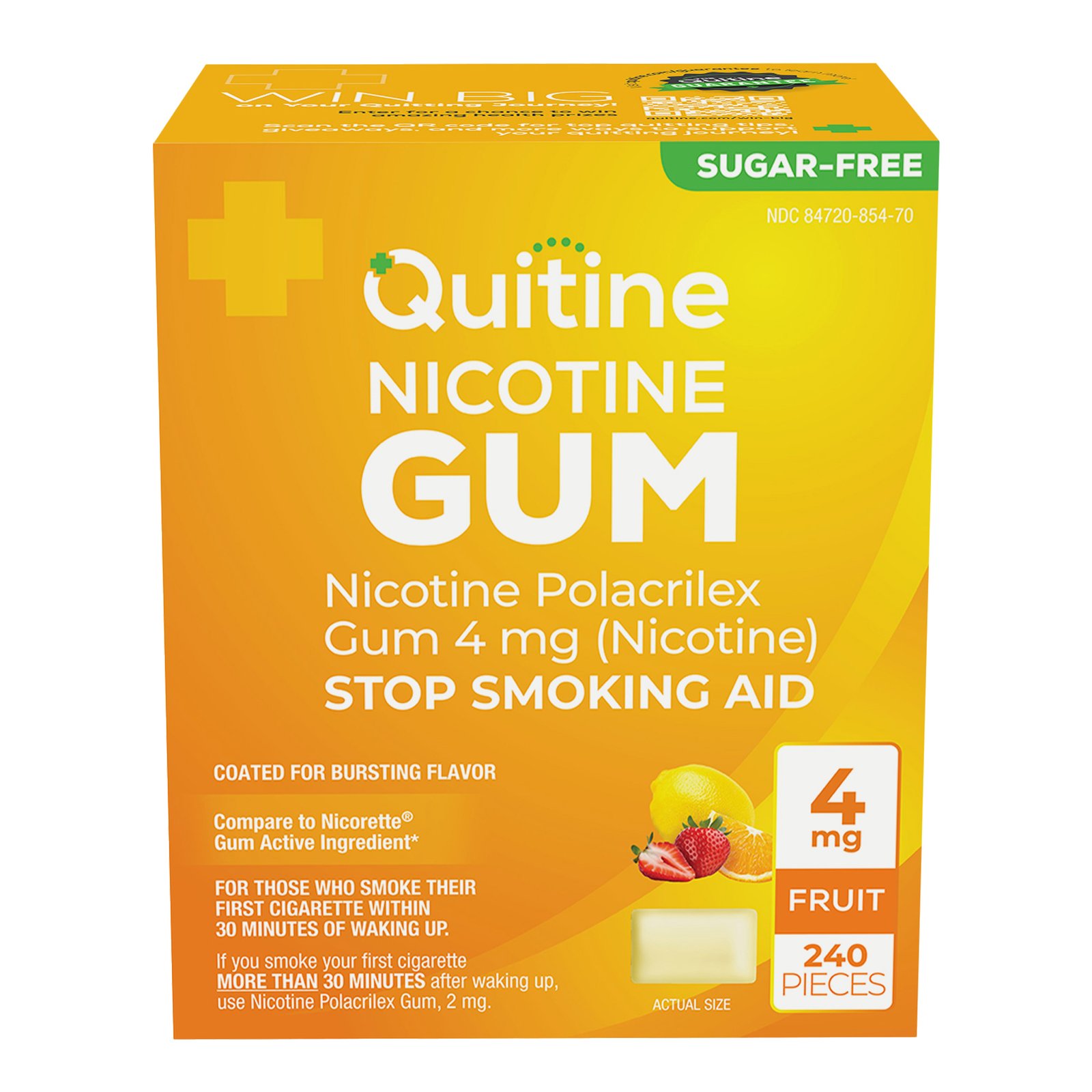
Description (Quitine Nicotine Gum 4mg Fruit 240 Pieces):
Embark on your journey to quit smoking or vaping with Quitine's 4mg Nicotine Gum in a delightful fruit flavor. Carefully developed by experienced pharmacist Mark La Hood, this gum is designed to help manage cravings and ease withdrawal symptoms effectively.
Features:
- Purposeful Support: Designed to assist with smoking and vaping cessation by reducing cravings and withdrawal effects.
- Expertly Crafted: Formulated by a pharmacist with over 40 years of expertise, ensuring a trusted and high-quality solution.
- Delicious Flavor: Experience a refreshing, long-lasting fruit flavor with each chew, making your quitting process enjoyable.
- Generous Value Pack: The 240-count pack offers substantial savings of over 30% compared to smaller options, providing a cost-effective approach.
- Risk-Free Guarantee: Comes with a 30-day money-back guarantee, allowing you to try Quitine with confidence.
Usage:
Perfect for individuals who smoke their first cigarette within 30 minutes of waking. For those who smoke later, consider our 2mg gum. Regular use helps reduce nicotine dependency over time.
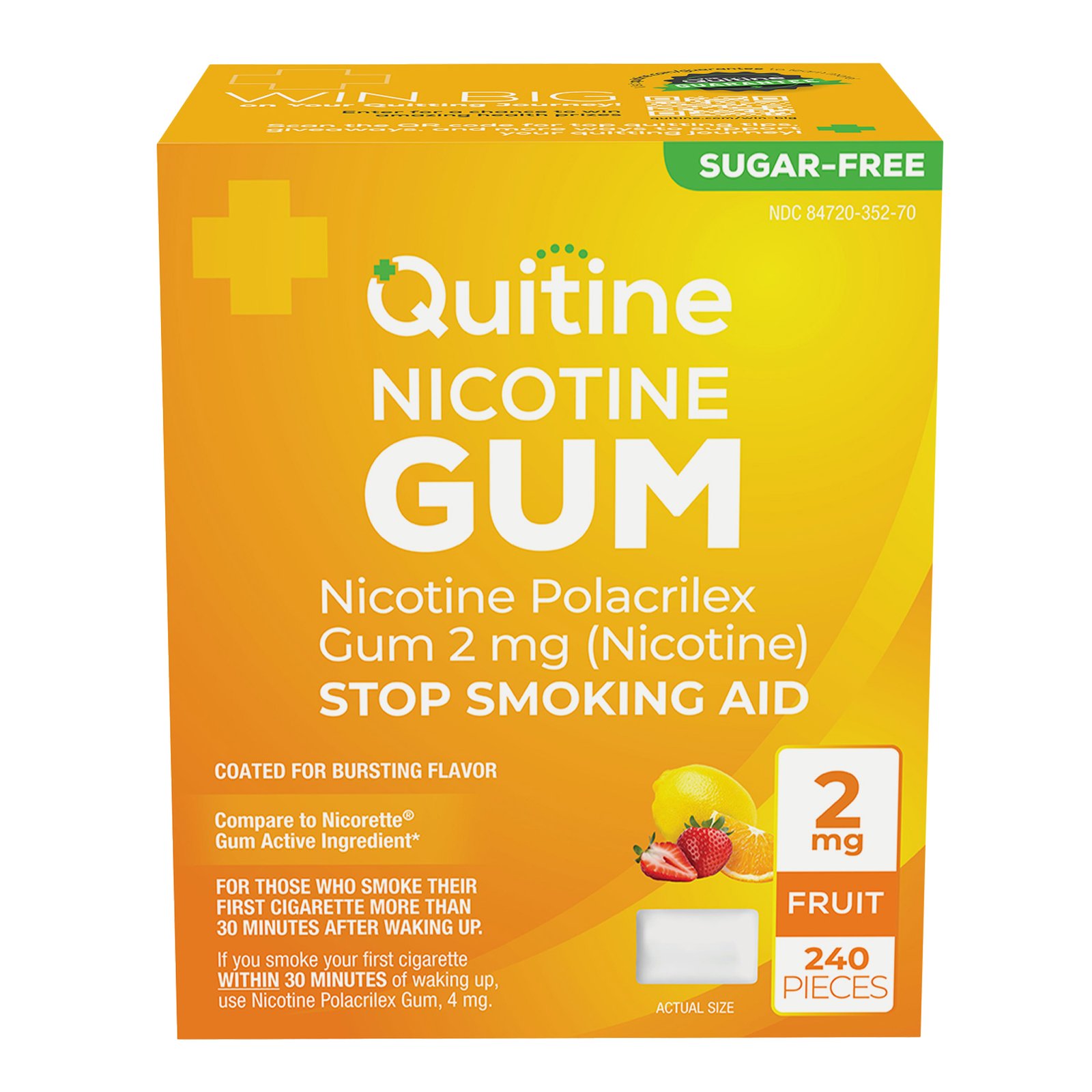
2) Quitine Nicotine Gum 2mg Fruit 240 Pieces
Description (Quitine Nicotine Gum 2mg Fruit 240 Pieces):
Quitine's 2mg Nicotine Gum is a premium smoking cessation product designed to help individuals quit smoking or vaping. With a refreshing fruit flavor and a generous 240-count pack, it offers a cost-effective and convenient solution for managing nicotine cravings and withdrawal symptoms.
Key Features:
- Nicotine Strength: 2mg per piece, ideal for individuals who smoke fewer than 20 cigarettes per day or those with light to moderate nicotine dependency.
- Flavor: Long-lasting fruit flavor for a satisfying chewing experience.
- Pack Size: 240 pieces, providing excellent value and convenience.
- Expertly Crafted: Developed by Mark La Hood, a pharmacist with over 40 years of experience in smoking cessation products.
How It Works:
Quitine's nicotine gum uses the chew-and-park method to deliver nicotine through the lining of your mouth:
- Chew the gum until you feel a tingling sensation.
- Park it between your cheek and gums to allow nicotine absorption.
- Repeat the process for about 30 minutes
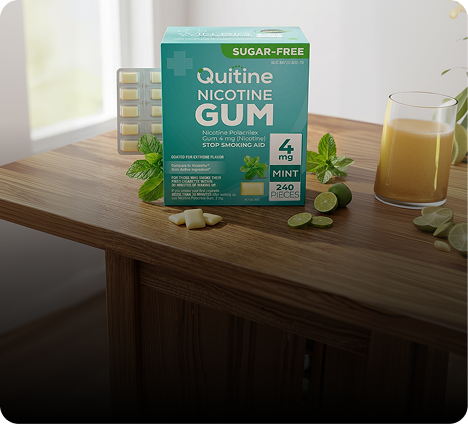
3) Quitine Nicotine Gum 4mg Mint 240 Pieces
Description (Quitine Nicotine Gum 4mg Mint 240 Pieces):
Quitine Nicotine Gum 4mg with mint flavor is a premium smoking cessation aid designed to help individuals manage nicotine cravings and withdrawal symptoms during their journey to quit smoking or vaping. This product is ideal for those who smoke their first cigarette within 30 minutes of waking up, offering a higher nicotine strength for effective relief.
Key Features:
- Nicotine Replacement Therapy (NRT): Contains nicotine polacrilex (4mg per piece) to curb cravings and reduce dependency on nicotine over time.
- Refreshing Mint Flavor: Provides a smooth, long-lasting mint taste for a satisfying chewing experience.
- Value Pack: Includes 240 pieces, offering over 30% savings compared to smaller packs, making it a cost-effective solution for long-term use.
- Crafted by Experts: Developed by Mark La Hood, a pharmacist with over 40 years of experience, ensuring high-quality and reliable support for your quitting journey.
- Risk-Free Guarantee: Comes with a 30-day money-back promise to ensure customer satisfaction.
How It Works:
- Chew one piece of gum when cravings arise.
- Follow the recommended technique: chew slowly until the taste becomes strong, rest the gum between your cheek and gums, then chew again when the taste fades.
- Gradually reduce your nicotine intake over time.
Why Choose Quitine?
Quitine Nicotine Gum is an FDA-approved nicotine replacement therapy, a key advantage that ensures quality, safety, and reliability compared to non-regulated heated tobacco products. With its refreshing flavor, expert formulation, and generous value pack, it provides the tools needed to overcome cravings while making the quitting process more manageable.
4) Quitine Nicotine Gum 2mg Mint 240 Pieces
Description (Quitine Nicotine Gum 2mg Mint 240 Pieces):
Quitine Nicotine Gum 2mg with mint flavor is a trusted smoking cessation aid designed to help individuals manage nicotine cravings and withdrawal symptoms as they work toward quitting smoking or vaping. This lower-strength option is perfect for those who smoke their first cigarette more than 30 minutes after waking up.
Key Features:
- Nicotine Replacement Therapy (NRT): Contains nicotine polacrilex (2mg per piece) to effectively curb cravings and support gradual nicotine dependency reduction.
- Refreshing Mint Flavor: Offers a smooth, long-lasting mint taste for a satisfying and enjoyable chewing experience.
- Value Pack: Includes 240 pieces, providing over 30% savings compared to smaller packs, making it an economical choice for long-term use.
- Expertly Developed: Created by Mark La Hood, a pharmacist with over 40 years of experience, ensuring high-quality and reliable support for your quitting journey.
- Risk-Free Guarantee: Backed by a 30-day money-back promise to ensure customer satisfaction and confidence in your purchase.
Tips for Quitting as a Light Smoker
- Identify triggers like coffee or breaks; replace with walks.
- Build support: Join groups or apps.
- Track progress in a journal.
- Stay active; exercise cuts cravings.
- Eat healthy to avoid weight gain.
- If vaping, NRT helps you quit that too.
- Quitine's quit plan blog offers steps.
Nicotine Gum Dosage and Tapering Schedule for Light Smokers
Light smokers usually get the best results when they match the amount of nicotine replacement to their lower daily intake. This keeps the process comfortable and avoids extra nicotine the body does not need.
The first step involves picking the right strength. Most people in this group begin with the lower option because it lines up with fewer cigarettes each day.
Daily use then follows a simple pattern. One piece goes in when a craving appears or at set times spread across waking hours. The chew and park method stays the same: slow chewing until the tingle starts, then park the piece between the cheek and gum for the full time it releases.
A full plan breaks into clear phases so the drop feels steady instead of sudden.
- The opening phase keeps a regular rhythm for the first several weeks while the body settles into the new lower level.
- The middle phase spaces pieces farther apart as urges become less frequent and weaker.
- The final phase cuts use down to very occasional pieces before stopping altogether.
This stepped approach lets the body adjust at its own pace. Short phases feel manageable. Longer explanations help when someone tracks how cravings change from week to week.
Pairing Nicotine Gum with Behavioral Strategies for Better Results
Nicotine gum takes care of the physical cravings. Behavioral strategies handle the situations and feelings that used to lead straight to a cigarette. Light smokers often notice the habit side of the equation matters more than heavy physical dependence.
That combination covers both parts of the pattern.
Trigger mapping comes first. A simple list of times, places, or moods that usually spark the urge makes the rest of the plan easier to follow.
Replacement actions come next. Hands stay busy with something different during those moments, whether that means a short walk, a different object to hold, or a quick breathing reset.
Tracking small wins builds momentum. Noting each day or situation where the urge passed without smoking shows real progress even on harder days.
Simple support systems keep consistency. Sharing the goal with one trusted person or keeping a basic daily note creates accountability without extra pressure.
These steps turn the effort into a full routine shift.
Signs nicotine gum matches a light pattern
Nicotine gum is a closer match when the smoking pattern is burst-like, not constant.
It often fits when:
- Nicotine cravings hit at known times rather than all day
- The person wants control over each dose
- Chewing already feels natural
- Smoke-free spaces at work or home already limit when a cigarette is possible
- The first cigarette of the day comes more than 30 minutes after waking
2mg nicotine gum is the usual starting strength for this group. That lower piece lines up with a smaller daily intake. Quitine Nicotine Gum 2mg Mint is one of the lower-strength options made for that lighter pattern.
Gum is a weaker match when jaw pain, dental work, or a dislike of chewing get in the way. In those cases nicotine lozenges give the same oral nicotine route without the chew. A short product quiz on the personalized quit smoking quiz maps strength and form to wake-up time and daily use.
Common mistakes light smokers make with nicotine gum
Light smokers often under-use the nicotine product because the habit looks "small." That is the most frequent miss.
Other misses include:
- Chewing the piece like regular gum instead of the chew-and-park cycle
- Eating or drinking coffee, soda, or juice in the 15 minutes before a piece
- Saving gum "for later" until the nicotine craving has already peaked
- Mixing cigarettes with gum through the same hour
- Stopping after a few good days instead of staying on a stepped plan
- Jumping to 4 mg when 2 mg already covers the urge
Chewing too fast can send nicotine into the stomach. That can bring hiccups, nausea, or a sour taste. Slow chew, then park between cheek and gum, keeps the dose where it belongs.
People who want a walk-through of technique often open what nicotine gum is and how it works next to the pack directions. Sugar-free pieces also matter for people watching calories or teeth. A closer look at sugar and calories in nicotine gum explains why most medical gum skips sugar.
Latest News In 2026
More attention now goes to methods that blend nicotine replacement with practical daily adjustments. Light smoking patterns still respond well when both the physical and habit sides receive attention at the same time.
Support options in 2026 focus on making the full combination easier to follow across several weeks. Structured programs continue to highlight how these blended approaches help people build changes that last. Resources examining 90 day quit programs reflect this ongoing focus on tools plus habit work.
Read Also:
Product Comparison
| Best For | Strength | |
|---|---|---|
| Nicotine Gum | Habit-triggered cravings | 2mg / 4mg |
| Nicotine Lozenges | Discreet craving relief | 2mg / 4mg |
| Nicotine Patches | All-day support | 21mg / 14mg / 7mg |
Frequently asked questions
Yes, it manages occasional urges without full dependence. Use 2 mg for quick relief during events. Pair with behavioral changes for best results.
Most fade quickly; switch to lozenges if gum irritates. Consult doctors for heart concerns. Quitine's products minimize issues with gentle formulas.
Typically 8-12 weeks, tapering doses. Extend if needed, but monitor. Studies show shorter for light users.
No, nicotine harms fetuses. Quit without NRT; seek medical help. Alternatives like counseling work better.
Yes, by 50-60%. Recent data confirms efficacy in low-dependence groups, especially with support.
The lower strength option aligns well with lighter daily habits because it provides a controlled amount that matches typical intake levels. Absorption happens through the lining of the mouth during the park phase, which allows for steady delivery without sudden spikes. Some people also factor in the timing of their first cigarette of the day when deciding on the starting point. A quick assessment that matches habits to starting options sometimes provides additional clarity for individual situations.
The total time varies based on how the body responds to the gradual lowering and how new daily patterns settle in. Some notice they can shorten certain phases once cravings stay low across different situations. Others prefer to extend the later stages to build more confidence before full stop. The process works best when it stays flexible to personal progress rather than a rigid calendar.
Habits around smoking often continue even after physical cravings ease, so addressing those patterns supports longer term success. Changes in routines can reduce the automatic reach for a cigarette in familiar settings. This layer helps the overall shift feel more complete once the gum use winds down. Many find that the combination creates a stronger foundation than either part alone.
Signs that it may be time include fewer strong urges during usual trigger times and a general sense that the day flows without old patterns. Progress in new replacement activities often signals readiness to space things out more. Paying attention to how the body feels during lower use periods guides the pace. The decision stays personal and can adjust if certain days bring more challenges than expected.
Information on these combined methods appears in resources focused on structured support options that pair nicotine replacement with daily adjustments. Collections of real experiences from others who have made the transition offer practical perspectives on what the process feels like over time. These materials cover a range of situations and show how different elements fit together for people with lighter habits.
A cigarette rush comes from nicotine hitting the brain very fast through the lungs. Nicotine gum is slower. The dose moves through the lining of the mouth, so most people feel steadier relief rather than a head rush. Light smokers on 2 mg pieces are even less likely to feel that spike, because the amount is meant to cover a small daily habit, not copy a drag. Light-headedness after a piece is often leftover nicotine from chewing too fast or swallowing the juices, not a true buzz.
Social smoking still trains the brain to expect nicotine in a specific setting, usually drinks, friends, or a late night. Nicotine gum can stand in for that one cigarette so the evening stays intact without smoke. The useful part is timing the piece to the cue, not chewing at random through a quiet afternoon. People who only smoke in those windows often keep a mint or fruit pack in a pocket or bag so the substitute is already there when the lighter used to come out. A weekend-only pattern can still benefit from the same oral replacement that daily light smokers use.
Mild mouth soreness, hiccups, a peppery bite, or a brief upset stomach often come from swallowing too much saliva or chewing too hard. Those effects usually fade once the piece stays parked against the cheek instead of being worked like candy. A switch from gum to nicotine lozenges is a common next step when the jaw is the problem, because the dose still lands through the mouth lining. Dizziness or a racing pulse can mean the strength is higher than the old cigarette count required.
Light smokers often need enough weeks for the place and mood cues to cool off, not only for the chemical urge to drop. That is why a short burst of gum for a few good days rarely holds through the next party or stressful Monday. A full course still follows a beginning, a thinning-out middle, and a last stretch with only rare pieces. Some people stay on oral nicotine replacement therapy a little past the first quiet week if alcohol nights or work breaks still feel unfinished. The calendar is personal, but the idea is a planned exit rather than a sudden stop.
Nicotine products themselves still reach the baby, even from gum, lozenges, or a patch, so this is not a casual swap. A clinician who knows the pregnancy and the smoking pattern is the person who weighs risk against the harm of continued cigarettes. Some prenatal visits still include a lower-dose oral option when stopping all nicotine at once has already failed. Self-selecting a 4 mg piece or stacking products during pregnancy is not the usual path. Anyone who is pregnant, trying to conceive, or breastfeeding gets tailored advice before a box is opened.
Occasional smokers fail more often from the ritual than from a huge daily dose, so a product that can be used at the exact moment of the cue fills a real gap. Nicotine gum and lozenges give that moment-by-moment control. Adding a simple routine, such as a written quit smoking plan, keeps the weekends from undoing a clean weekday. Occasional use of cigarettes does not mean NRT is "too much." It means the substitute only needs to show up in the same thin set of situations that used to include smoke.
Wake-up time is the other half of the answer, not only the daily count. A first cigarette late in the morning usually lines up with 2 mg, which is why Quitine Nicotine Gum 2mg Mint sits in so many light-smoker kits. A first cigarette almost immediately after waking can still call for 4 mg even when the rest of the day stays under ten. Matching strength to that morning test helps you avoid both under-dosing at breakfast and over-dosing at lunch. The personalized quit quiz uses those same two questions, count and timing, when it sorts products.

Not Sure Which Product Is Right for You?
Take our 2-minute Quit Quiz and get a personalized product recommendation and 90-day system based on your smoking or vaping habits.